
When and How to Feed a Lawn
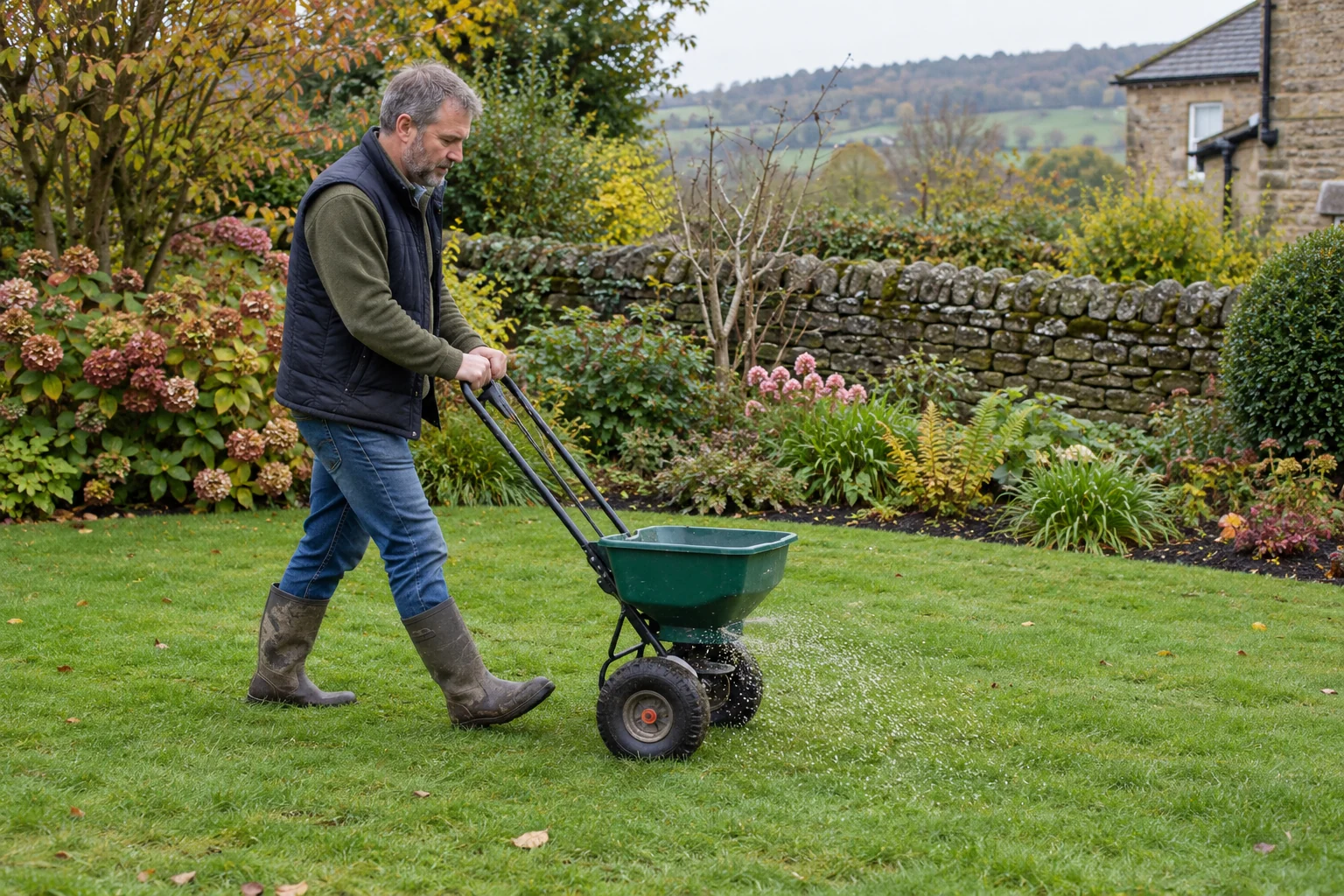
To keep your lawn healthy, feed it at the right times. Homeowners should fertilize in early spring and autumn when grass is actively growing; this is usually March to April for spring and September to November for fall. Use a balanced fertilizer according to recommended rates for even nutrient distribution, promoting strong growth and preparing roots for winter. Water your lawn a day before applying fertilizer to ensure nutrients soak deep into the soil for lush greenery year-round.
When to Feed Your Lawn
Timing is crucial for feeding your lawn. As seasons change, so should your care routine. Early spring is the time to nourish your grass as it emerges from winter dormancy, typically around March or April, depending on local conditions. Avoid applying fertilizers during wet or frosty periods that could wash away essential nutrients.
Autumn Feeding
Autumn also provides an opportunity to feed your lawn; using a specialized autumn fertilizer between September and November strengthens roots and prepares your grass for winter without promoting excessive leaf growth that frost could damage. Following this seasonal routine ensures strong grass health year-round and enhances resilience against drought and heavy foot traffic.
Determining if Lawn Needs Feeding
To determine if your lawn needs feeding, check its overall health and appearance. Look for signs like thin patches, discoloration (yellow or brown tint), and increased weeds; these may indicate nutrient deficiency. Bare spots where grass isn’t growing well suggest it’s time for extra care. A thick, healthy lawn with few weeds may not need more fertilizer.
Consider how often you’ve mowed and whether you’ve collected clippings. Removing cuttings frequently can deplete important nutrients since they return essential elements to the soil when left. A well-established lawn relies on natural rainfall and existing soil fertility but won’t reach its full potential without periodic fertilization tailored to its specific seasonal needs.
The Pros & Cons of Lawn Feeding Practices
Pros
-
A well-fed lawn recovers more effectively from drought and heavy wear.
-
Fertilizing replaces nutrients lost with grass cuttings, which supports strong growth.
-
Spring and summer feeds that are high in nitrogen encourage leaf growth and a vibrant green look.
-
Autumn feeding helps prepare the lawn for winter by encouraging root development without stimulating tender leaf growth.
-
Products like liquid feeds can deliver quicker results compared to granulated options.
-
Customized feeding programs can improve the overall quality of your lawn.
Cons
-
Overfeeding your lawn can cause burnt grass and weaken the roots, making it easier for weeds and diseases to take hold.
-
Feeding during unsuitable weather conditions, like hot or dry days, might do more harm than good for your lawn.
-
Putting down too much fertilizer leads to extra mowing and can create potential disease problems.
-
Not every lawn needs fertilization; wildflower-friendly lawns actually thrive without it.
-
Using the wrong product or applying it incorrectly can lead to ineffective treatment or even damage your lawn.
-
The fertility levels of individual soil affect how much fertilizer is right; a one-size-fits-all method often doesn’t work well.
Key Nutrients in Lawn Fertilisers
Lawn fertilizers contain three essential nutrients for healthy grass growth: nitrogen, phosphorus, and potassium. Nitrogen promotes strong leaf development and lush green growth during the growing season. In spring or summer, choose fertilizers high in nitrogen to boost foliage as the lawn emerges from winter dormancy. Autumn fertilizers typically have less nitrogen but more phosphorus and potassium, strengthening root systems and preparing blades for frost damage, crucial for surviving winter conditions.
Nutrient Dynamics
Magnesium, a secondary nutrient, aids chlorophyll production and enhances grass color vibrancy. Most garden soils usually provide enough of these elements, but regular feeding tailored to seasonal needs keeps your lawn nourished when soil fertility declines due to heavy rain or dry periods. By understanding how these nutrients work together and choosing the right feeds at the proper times, you can ensure thriving greenery year-round!
Types of Lawn Feed Available
When choosing the right type of lawn feed, you will encounter options that cater to various needs. Liquid lawn feeds are popular among beginners because they’re easy to apply and provide quick results. They can be used from March to September; just dilute them properly, too concentrated solutions can burn grass. In contrast, granulated fertilizers offer a cost-effective option for larger areas and work well with spreaders for even application.
Specialized Formulations
to these common types, specialized formulations like “weed and feed” products nourish grass while tackling weeds. Moss killers promote healthy growth and eliminate unwanted moss, which is helpful in damp or shaded areas. When exploring brands like Miracle-Gro EverGreen or Growmore, closely follow product instructions on application rates and timing; each formulation is tailored for specific seasons or lawn conditions.
Optimal Feeding Schedule for Lush Lawns
| Type of Lawn Feed | Application Period | Key Nutrients | Description |
|---|---|---|---|
| Liquid Lawn Feed | March to September | High in nitrogen | Beginner-friendly option that produces faster results than granulated feeds. |
| Slow-Release Spring and Summer Feed | March to September | High in nitrogen | Encourages strong root development and steady lawn growth during the growing season. |
| Granulated Lawn Feed | March to September | Varies | Can be spread with a lawn spreader; generally more cost-effective for large gardens. |
| Water-Soluble Lawn Food | Anytime | High in nitrogen, potash, phosphates, iron | Comes in pre-measured sachets; starts greening grass in just 5 days. |
| Weed and Feed Products | March to September | High in nitrogen, potassium | Combines feeding with weed and moss control; visible results within 7 days. |
| Moss Killer | April to September | Contains nitrogen and iron sulphate | Promotes healthy growth while killing moss; can be used effectively during this period. |
| Blood Fish and Bone Meal | Late April (varies by soil) | Varies | May require multiple applications depending on soil fertility; excessive use can cause issues. |
| Green Up Moss Free | Spring and Autumn | Contains sulphate of iron | Used for controlling moss and enhancing lawn color; recommended application regardless of moss presence. |
How to Apply Lawn Fertiliser
Applying lawn fertilizer effectively requires attention to detail and best practices. Start by choosing the right equipment; a calibrated spreader, either hand-held or rotary, helps distribute the fertilizer evenly. Before applying, ensure the soil is damp but not soaked, this allows nutrients to soak in deeply while reducing the chances of burning grass blades. Always read product labels for dosage instructions to use the correct amount without overloading your lawn.
For liquid fertilizers, a watering can with a sprinkle bar simplifies application. Remember: dilution matters! Follow instructions carefully to avoid a mix that’s too strong and could harm young shoots. After fertilizing, keep kids and pets away from treated areas until they dry completely, this keeps them safe and helps the grass absorb nutrients better. Whether using granulated or liquid feed, knowing how and when to apply these products encourages healthy growth throughout each season.
Avoiding Overfeeding and Scorching Grass
To keep your lawn healthy and avoid problems from over-fertilizing, pay attention to the amount of fertilizer used. Exceeding recommended amounts can burn grass and promote excessive leaf growth at the expense of root development. This weakens turf, allowing weeds and moss to thrive in bare spots, undermining your maintenance efforts. Also, check soil conditions; applying fertilizer when it’s too wet or dry can cause issues.
Timing Matters
Timing is crucial for effective fertilization. Don’t feed your lawn during dormancy or stress periods, skip applications when temperatures are unusually high or during winter months when grass isn’t actively growing. The Royal Horticultural Society advises against fertilizing under drought conditions or hosepipe bans since nutrients won’t reach roots effectively; instead, focus on keeping your lawn strong through natural rainfall and proper maintenance until conditions improve for feeding again. Following these tips will help ensure that your efforts result in both beauty and lasting health for your outdoor space!
Unveiling Lawn Care Myths and Facts
-
Many lawns can thrive without fertiliser, according to the Royal Horticultural Society (RHS). A wildflower-friendly lawn often doesn’t need feeding to look good.
-
Feed your lawn if you notice poor growth, like thin or patchy grass, pale yellowish or brown spots, and increased weeds or moss in weaker areas.
-
The best time to feed your lawn depends on the weather; applying fertiliser during wet winter conditions in early spring might wash away before taking effect.
-
Autumn feeds typically contain less nitrogen but are higher in potassium and phosphates, promoting root development and preparing grass for winter instead of encouraging new leaf growth.
-
Overfeeding your lawn can burn the grass and weaken roots, making it easier for weeds and moss to take hold.
Feeding During Drought and Winter
Feeding your lawn during droughts or winter requires understanding grass biology and environmental factors. When temperatures rise and moisture levels drop, applying fertilizers may seem beneficial. Adding nutrients in these conditions can harm the grass, as it cannot effectively absorb them due to stunted growth from lack of water. Instead, allow your lawn to rely on its natural adaptations, like dormancy, until rain returns or temperatures cool down.
Winter Months
In winter, when grasses are mostly inactive, fertilizing is ineffective since roots aren’t actively taking up nutrients. It’s best to wait until spring, when growth resumes, before feeding your lawn. This strategy helps ensure long-term health without risking damage from applying treatments at the wrong time!
Watering After Lawn Feeding
Once you’ve applied fertilizer, watering is crucial for your lawn to benefit from its feeding. The right moisture helps nutrients reach deep into the soil for grass roots to absorb. If you’ve used granular feed, water thoroughly after applying it; this activates the product and prevents burning from concentrated areas on top of your lawn. Ideally, wait about 24 hours post-application before soaking your lawn, this allows excess runoff to settle while encouraging nutrient uptake.
Liquid Fertilizers
For liquid fertilizers, accuracy matters! Use just enough without overwhelming the grass; follow recommended dilution rates closely since an overly strong mix can burn delicate shoots. A gentle watering afterward washes away residues and promotes even distribution throughout the root zone. Keep children and pets off treated areas until everything has dried completely, this improves safety and nutrient absorption.
Established Lawns Vs New Growth
Established lawns typically rely on natural rainfall during growing seasons; yet, if dry spells occur or if you’re dealing with new sod or seedlings needing consistent care, regular weekly watering may be necessary to support healthy growth after fertilization. Consider local weather conditions when planning irrigation schedules, early mornings are usually best as they reduce evaporation losses and ensure adequate hydration reaches plant roots effectively!
Healthy Lawns Through Careful Feeding
Achieving a healthy lawn through proper feeding involves more than timing; it requires understanding your grass’s needs. A lush lawn indicates regular fertilization and attention to its condition. Many homeowners think a strict schedule suffices, but it’s better to adjust based on the lawn’s appearance. Thin patches or fading colors suggest missing nutrients, indicating that additional feeding can help.
Strong green grass with few weeds may not need extra care.
Clippings Matter
Consider how often you collect clippings after mowing. Removing them frequently results in nutrient loss since cuttings contain valuable organic material that nourishes the soil when left behind. This natural recycling supports balanced nutrient levels and promotes healthier growth throughout each season.
Fertilizer Choices
Quality fertilizers cater to different stages of grass development. High-nitrogen products during active growth boost leaf production, while lower nitrogen options in autumn strengthen roots for winter. By understanding effective feeding techniques and environmental factors, you’ll maintain good health across your outdoor space.
FAQ
What signs indicate that my lawn may need feeding?
Signs your lawn needs feeding include thin or patchy growth, pale yellowish or brown grass, and increased weeds and moss in bare or weak areas.
When is the best time to apply fertilizer to my lawn?
Fertilize your lawn in spring and autumn, from early spring to late summer and again in September for winter preparation, according to the Royal Horticultural Society.
What are the key nutrients that my lawn requires throughout the seasons?
Your lawn needs nitrogen, phosphorus, and potassium year-round, with specific mixes varying by season for optimal growth and health.
How do I properly apply granular and liquid lawn feeds?
Spread granular lawn feeds when the weather is good, soil is moist, and grass is dry, then water thoroughly while following dilution rates for liquid feeds.
What should I avoid when it comes to feeding my lawn?
Avoid overfeeding your lawn, as it can burn grass, weaken roots, and promote weeds; don’t feed during dormancy or unfavorable conditions like extreme heat or wet winter days.