
How to Water a Lawn Without Overwatering
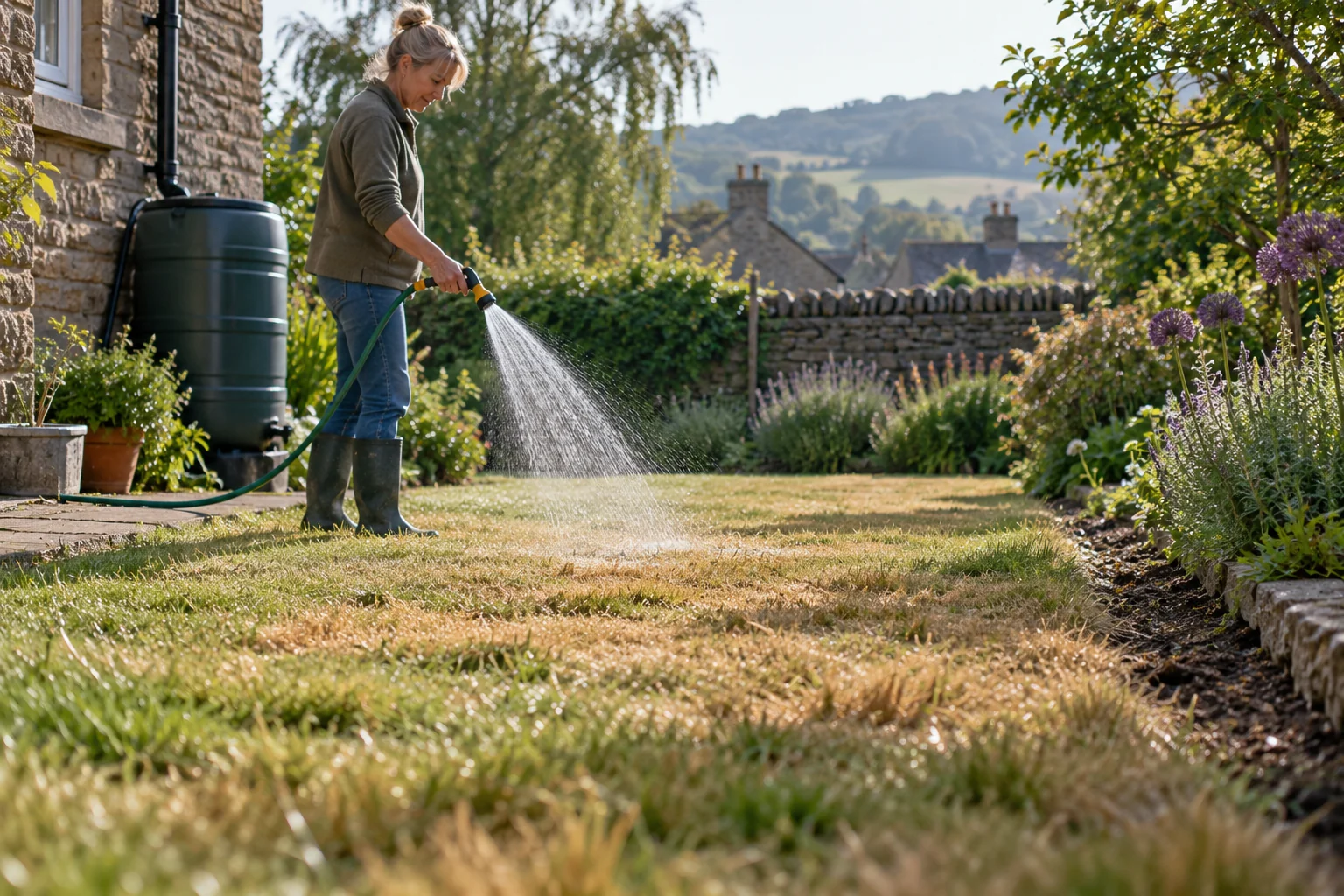
Watering your lawn correctly involves knowing when and how much to water based on the soil’s needs. To check if your soil is dry, stick a finger into it, if the top inch feels dry, it’s time to water. Aim for deep watering of about one inch per week during cooler times of day. This method encourages strong root growth and saves water. By doing this, you keep your grass healthy without overwatering, leading to beautiful, sustainable landscapes.
Assessing Lawn Water Needs
Understanding your lawn’s watering needs is key to maintaining its health while saving water. Start by examining the grass; a dry appearance doesn’t always indicate it’s time to water. Grasses like fescues and bents can endure short dry periods without damage. Instead of relying solely on visual cues, regularly check the soil moisture, insert your finger or a soil probe into the ground to assess moisture depth.
If only the top layer is dry but the soil below is damp, wait before watering until conditions worsen.
When you determine it’s necessary to water, provide substantial amounts less frequently rather than light daily sprinklings. Aim for about one inch per week and adjust based on rainfall and local weather. Consider soaking intervals: allow water to penetrate deeply before applying more if needed. This method fosters strong root systems while minimizing waste from runoff and evaporation during hot days. This approach supports sustainability and promotes healthy lawns as climates change.
Optimal Watering Frequency
Finding the right balance for watering your lawn depends on knowing its needs. It’s not just about a strict schedule; it’s about adjusting based on your grass’s requirements. Different grasses respond differently to dry spells, some recover quickly, while others struggle without water. Monitor weather conditions and local rainfall patterns before using your hose or sprinkler.
A good rule of thumb is to water heavily every few days instead of light doses daily, aiming for around an inch per week depending on temperature and humidity. To ensure effective penetration, split your watering into shorter sessions, this allows the soil time to absorb moisture rather than letting it run off or evaporate. This encourages deeper root growth and supports eco-friendly practices.
The Pros & Cons of Efficient Lawn Watering
Pros
-
Watering your lawn efficiently helps conserve water, which lowers your dependence on mains water and supports sustainable practices.
-
By watering deeply but less often, you promote stronger root growth, making your lawn more resilient to drought and disease.
-
Water during cooler times of the day to cut down evaporation, allowing more moisture to reach the soil.
-
Collecting rainwater and using greywater can lead to lower water costs and a reduced environmental impact.
Cons
-
Poor watering habits can cause overwatering, leading to shallow roots and making your lawn more susceptible to pests and diseases.
-
To determine if your lawn needs water, you must observe it closely, which might take some time for homeowners.
-
A lack of clear guidance on standard watering schedules can confuse those who are not familiar with specific lawn care requirements.
-
If you're using hoses or sprinklers without proper management, it may lead to inefficiencies that waste water.
Best Times for Lawn Watering
Timing your lawn watering is as important as the amount of water used. The best times to water grass are early in the morning or late in the evening when it’s cooler and there’s less evaporation. Watering during these times retains moisture in the ground and aligns with how plants naturally take up water, ensuring grasses can utilize it before it gets too hot. Homeowners should observe how different weather affects their lawn, on very hot days, waiting until dusk might be better; on cool evenings with high humidity, early morning watering could be more effective.
Afternoon Watering
Some experts advise against afternoon watering due to quick evaporation from soil and leaves. A light spray can help stressed plants recover without causing runoff issues. Good practices require flexibility rather than strict rules. Adjusting based on current conditions will lead to better results and support healthier grass while conserving water throughout all seasons!
Preventing Water Runoff
Applying water efficiently depends on knowing how well your lawn absorbs it without causing runoff. When you spot dry soil, avoid flooding your garden all at once; instead, break your watering into shorter sessions. Water for about 20 minutes and then let the ground absorb that moisture, this prevents oversaturation and allows roots to access nutrients from deeper soil layers. If you see pooling or runoff, it’s a sign you’re giving the area too much water too quickly. Water helps roots take up what is present in the soil, but feeding is a separate lawn task; the guide to feeding grass explains when to apply it.
Adjusting for Different Areas
Pay attention to different conditions in various parts of your yard; some areas may drain more slowly due to compaction or changes in terrain. By adjusting where and how much you water based on your observations, you’ll reduce waste while promoting healthier grass growth. Remember that patience matters: allow enough time between watering so each session has maximum effect without causing runoff problems later. This approach ensures effective use of resources while keeping lawns vibrant throughout the year.
Smart Watering Techniques for Lush Lawns
| Watering Technique | Recommended Frequency/Timing | Key Considerations | Source/Expert |
|---|---|---|---|
| Deep watering | Once per week (1-1.5 inches of water) | Avoid frequent, shallow watering | Cheryl Harper, Greensleeves Lawn Care |
| Infrequent heavy watering | Every 10 days | Ensure water soaks in; avoid runoff | Peter Chaloner, Cobra Lawnmowers |
| Timed evening application | About 20 minutes during extreme heat | Minimize evaporation; monitor for fungal growth | Steve Taylor, GreenThumb |
| Morning watering | Early morning before temperatures rise | Reduces evaporation and disease risk | RHS |
| Short intervals | Water for 20 minutes, then allow soaking | Prevent runoff; repeat as needed | Steve Taylor |
| Collect rainwater | Use water butts or buckets to save rain | Sustainable option; reduces mains water reliance | Various sources |
| Mulching | Apply a layer at least 5cm thick | Reduces water loss; improves soil health | RHS |
| Soil improvement | Add organic matter and remove thatch | Enhances water retention and nutrient absorption | Various sources |
| Mowing height adjustment | Do not cut shorter than 50mm (2 inches) | Helps retain moisture and reduces evaporation | Cheryl Harper |
| Signs of overwatering | Saturated soil, shallow roots, spongey feel | Monitor lawn condition to prevent damage | Various sources |
| Sustainable watering options | Use greywater where possible | Prioritize conservation during dry periods | RHS |
Identifying Overwatering Symptoms
Recognizing the symptoms of overwatering is key to maintaining a healthy lawn and avoiding waste. Lush, green grass can be deceiving; excess water often leads to signs that indicate poor lawn health. A sponge-like softness underfoot suggests excess moisture, which restricts airflow in the soil and can cause shallow roots that struggle during dry periods.
Signs of Overwatering
Watch for water pooling on the surface or puddles lingering after rain or watering; these indicate poor drainage due to saturation. Yellowing patches on grass blades or wilting despite adequate watering may signal root rot, resulting from limited oxygen flow in overly wet conditions.
Weeds as Indicators
Also keep an eye out for weed growth: numerous weeds thriving among weak grass could indicate mismanaged water levels. By adjusting your lawn care based on these signs, you’ll maintain a vibrant lawn and use water responsibly while preparing for future challenges!
Adjusting Mowing Height
As you consider your lawn’s health, changing the mowing height is key for better water efficiency. Cutting grass longer during dry periods has practical benefits. Longer grass blades provide shade to the soil, helping retain moisture and reducing evaporation on hot days. Keep your grass at least 50mm (2 inches) tall during drought conditions, this encourages deeper roots that can access moisture from lower soil layers more easily.
Benefits of Higher Grass
Keeping a higher cutting height helps control weeds by blocking their access to sunlight, making it harder for them to take root among weaker turf. Shorter grass may look tidy but often ends up with burnt tips that lose water quickly, putting extra stress on the plant and its roots. By adopting this mowing practice, you improve your lawn’s appearance and support sustainable gardening efforts while ensuring effective watering practices align with your landscape’s overall health!
Uncovering Lawn Watering Secrets and Myths
-
A brown or dry lawn doesn't always indicate poor health; grass can go dormant in hot weather and recover with rain, according to David Hedges Gower, Chairman of the Lawn Association.
-
It's better to water deeply but less often than frequently with shallow watering. Cheryl Harper from Greensleeves Lawn Care suggests an inch to an inch and a half of water each week for healthy growth, while Peter Chaloner from Cobra Lawnmowers recommends watering every 10 days.
-
The timing of watering is important; cooler times like early morning or between sunset and sunrise reduce evaporation. Depending on conditions, either morning or evening watering may be more effective.
-
Overwatering can harm your lawn by causing shallow root growth and increasing vulnerability to droughts and diseases. Steve Taylor warns that excess water can suffocate soil and promote fungal issues.
-
Keeping grass longer during dry periods helps retain moisture and shade the soil, reducing evaporation. Ideally, mow grass no shorter than 50mm (2 inches) to support deeper roots and overall health.
Utilizing Rainwater and Greywater
Rainwater and greywater offer sustainable lawn care options that conserve resources. Using natural rainfall can keep your grass healthy. A rain barrel holding 160 litres allows you to collect rain and reduce mains water bills year-round. This approach not only cuts costs but also protects the environment by decreasing reliance on treated municipal water.
Greywater Use
Greywater, recycled wastewater from sinks, showers, or washing machines, provides another option for responsible irrigation. Ensure soaps used are biodegradable and free from harsh chemicals to protect your lawn’s health. Reusing this resource during dry spells supplies necessary moisture without tapping into potable water. Check local regulations regarding greywater usage; some areas have guidelines to promote safe practices while protecting public health.
Effective Utilization
Effective use depends on timing and application methods similar to traditional watering techniques: deep but infrequent watering is essential. Assess moisture needs based on current weather conditions before deciding how much greywater or collected rain to use. Monitoring ensures optimal soil absorption while preventing runoff, achieving conservation alongside thriving landscapes.
As seasons change and droughts become more common due to climate change, these eco-friendly approaches empower homeowners to make informed decisions about their lawns’ needs without wasting resources in conventional watering routines. Embrace these strategies now as part of a sustainability mindset aimed at supporting healthier ecosystems.
Choosing Efficient Watering Equipment
Selecting the right watering equipment is key for effective hydration without wasting water. A watering can allows for precision, ideal for targeted use in smaller areas or container gardens. For larger lawns, hoses require careful handling to avoid overuse and runoff; directing water straight to the root zone enhances efficiency. Drip irrigation systems or seep hoses are great alternatives, providing moisture slowly and directly where it’s needed. Covering these with mulch reduces evaporation and enriches soil by breaking down organic matter.
Sprinklers
Sprinklers work best for newly planted grass or seed patches; yet, be mindful of their potential for high water usage and evaporative loss on hot days. If you choose a sprinkler system with timers, regularly check how much water is being dispensed to avoid flooding any part of your lawn.
Conclusion
As you look at your options, focus on methods that allow maximum absorption while reducing environmental impact: a well-maintained garden should not just look good, it should thrive sustainably too! By making smart choices about equipment and application techniques, you’re helping create an ecosystem where both plants and resources grow together harmoniously throughout each season!
Improving Soil Moisture Retention
Improving soil moisture retention is crucial for maintaining a healthy lawn and conserving water. Start by adding organic matter, like compost or well-rotted manure, to your soil. This nourishes the grass and helps the soil retain moisture. Check for thatch buildup; if it becomes too thick, it can prevent water absorption and cause runoff. Regularly aerating your lawn breaks up compacted areas, allowing more water to reach deeper soil layers where roots can access it.
Mulching
Consider using mulch, applying a layer at least 5cm (2 inches) thick in late autumn through winter helps retain moisture during drier months while suppressing weeds. Look into rainwater collection systems like water butts; these provide sustainable watering options. Collecting just one butt’s worth of rainwater annually can significantly reduce mains consumption across households. As you care for your yard, observe how different sections respond under various conditions: adjusting watering practices based on localized drainage issues ensures efficient use of every drop, supporting growth and responsible management as climates change.
Sustainable Lawn Care Practices
The basis of sustainable lawn care is understanding how your watering habits interact with the environment. Create a healthy space that benefits your grass and supports local wildlife. Choose native grasses suited for your climate, as they require less water and withstand dry periods better. Adding companion plants improves soil health, attracts beneficial insects, and deters pests, this encourages an organic way to maintain a vibrant lawn without relying on chemicals.
Water Management Techniques
Consider using permaculture principles; techniques like swales or rain gardens manage excess water runoff while allowing it to soak into the ground. This approach retains moisture and enhances ecological diversity in your yard’s mini-ecosystem. Engage with community resources like gardening workshops or local environmental groups, they often share valuable information about native plant species and effective methods tailored for your area.
Community Engagement
Share what you’ve learned from your gardening experiences! Connecting with others strengthens collective efforts toward sustainable gardening strategies that prioritize both the planet’s health and visual appeal. By adopting these approaches to lawn care, you conserve important resources while helping create greener spaces for future generations, a worthwhile investment!
FAQ
What factors should you consider to determine if your lawn needs watering?
Check your lawn’s appearance, soil moisture, and recent weather to determine if it needs watering, not just the grass color.
How often should you water your lawn for optimal growth without wasting water?
Water your lawn deeply but infrequently, aiming for once a week or every 10 days, depending on specific conditions.
When is the best time of day to water your lawn to minimize evaporation?
The best time to water your lawn is between sunset and sunrise, or early morning, to reduce evaporation.
What are the signs that you might be overwatering your lawn?
Signs of overwatering a lawn include spongey soil, consistent wetness, shallow root growth, and increased pest and disease risk, as noted by Steve Taylor.
How can you improve soil moisture retention in your garden?
To enhance soil moisture retention, add organic matter like compost and remove thatch to improve water penetration.
What equipment is recommended for efficient and precise lawn watering?
For effective lawn watering, the Royal Horticultural Society recommends using a watering can or hoses to deliver water directly to plant root zones.