
How Often Should You Water the Garden?
Watering your garden is a skill every gardener should learn because it keeps plants healthy. Aim for 1 to 1.5 inches of water each week, adjusting for plant needs and weather. Newly planted trees and shrubs need regular watering in their first year, while established perennials require less frequent watering once settled. By checking soil moisture and adapting methods to environmental factors, gardeners can ensure their plants receive the right amount of water.
Understanding Watering Frequency by Plant Type
When it comes to how often to water plants, knowing each type’s needs is important. Newly planted trees and shrubs require regular attention, especially during their first year; check on them frequently during dry spells from spring through autumn. Established perennials manage better once settled in your garden, these plants usually need less help after their first growing season.
Container Gardens
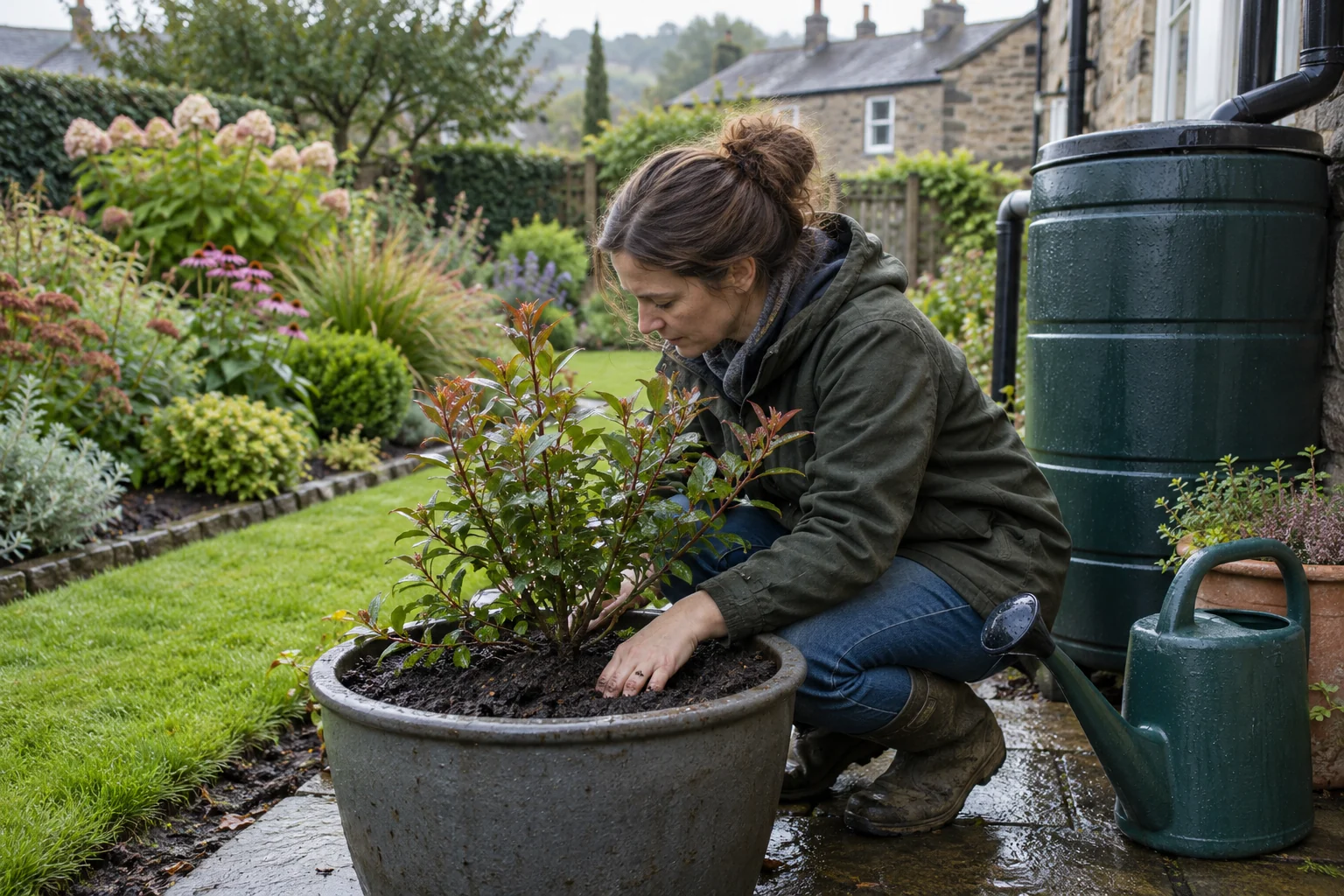
For container gardens, conditions change. Pots dry out faster than ground soil due to exposure and material differences, so check moisture levels daily when temperatures rise. A quick finger test, poke about 2-3cm into the compost, will indicate if they need watering. Some plants like hydrangeas prefer consistent moisture, while others like rosemary thrive on drier conditions between waterings; understanding these preferences helps provide tailored care for each plant type in your collection.
Checking Soil and Compost Moisture
To help your plants flourish, regularly check moisture levels in soil and compost. Dig down to see if it’s damp enough for healthy root growth. For garden beds, dig about a spade’s depth; if dry at that level, water them. With containers, be cautious as they can dry out quickly, especially on hot or windy days. If you are preparing a new bed, the no-dig bed guide explains one way to start.
Stick your finger into the compost about 2-3cm deep: if it feels dry, those plants need water! Deep watering encourages roots to grow deeper in search of moisture, helping build resilience against drought.
Established Borders
Established borders usually require less frequent care than new plantings; focus on stressed plants instead of treating the whole border the same way. Newly planted trees and shrubs should be checked regularly until their roots are well-established, it often takes up to three summers for larger varieties to manage on their own amid changing weather conditions. Don’t overlook herbaceous perennials; while many mature ones may not need much assistance after their first year, providing consistent moisture during early growth stages lays the groundwork for future success. Each evaluation connects you with what your garden needs and supports its unique ecosystem effectively!
The Pros & Cons of Tailored Watering Practices
Pros
-
Tailored watering practices make sure plants get the right amount of moisture they need, which helps them grow healthier.
-
Regularly checking soil moisture helps avoid overwatering or underwatering, lowering stress on plants and decreasing the risk of disease.
-
Deep watering promotes root growth, allowing plants to withstand drought better when conditions are tough.
-
Changing how often you water based on weather can save water and cut down on waste.
-
Using targeted watering methods like a watering can or drip irrigation improves efficiency and reduces evaporation losses.
-
Applying mulch around plants lowers evaporation rates and keeps soil moisture levels steady.
Cons
-
Tailoring watering practices needs regular monitoring and attention, which can take a lot of time for gardeners.
-
New or less experienced gardeners may feel overwhelmed by the specific knowledge required for different plant types.
-
Inconsistent rainfall patterns can make it hard to know when to water, leading to possible mistakes in care.
-
Checking too often can disturb the garden environment unnecessarily, which could harm plant health.
-
The initial costs of setting up efficient irrigation systems might discourage some gardeners from adopting tailored methods.
-
Relying only on personal judgment without the right tools could lead to inadequate care for certain plants.
Factors Influencing Container Watering Needs
Understanding container watering is essential for healthy plant growth. Potted plants dry out quickly due to limited soil volume and exposure to air. During warmer months or breezy days, check them daily, twice a day if it’s very hot. To see if they need water, stick your finger about 2-3cm into the compost; if it’s dry at this depth, it’s time to water. Different species have varying preferences: ferns like consistent moisture while succulents like sedums prefer drier soil between waterings.
Pot Size and Material
Pot size and material significantly affect watering frequency. Terracotta pots absorb moisture faster than plastic ones, requiring more frequent hydration. Larger containers hold moisture longer than smaller ones, which is important when planning plant placement. Do not rely solely on rainfall, as sheltered spots can remain dry even after rain elsewhere.
Importance of Drainage
Drainage is crucial for any container garden. Ensure there are enough holes at the bottom for excess water to escape. If roots sit too long in soggy conditions without proper drainage, it can lead to root rot and other issues. Adjust your approach based on individual plant needs and environmental factors to grow flourishing greenery right outside your door.
Watering During Heatwaves
During heatwaves, adjust how you water your plants due to extreme conditions. High temperatures and dry winds can quickly deplete moisture from soil and container plants. Check on them more often; daily checks are usually necessary for containers in hot spells. Stick your finger into the compost about 2-3cm deep, if it feels dry, give those pots a good drink! Established perennials can handle short droughts, but newly planted ones need regular attention as they establish roots.
Timing Also Plays an Essential Role When Watering in Extreme Heat.
Watering early in the morning is best because cooler temperatures mean less evaporation, allowing water to soak deeply where it’s needed most. If mornings are not feasible, wait until after 6 PM when the sun starts to set; this reduces stress on delicate leaves while still providing hydration. Avoid watering during midday if possible, direct sunlight causes quick evaporation and may scorch tender leaves, undoing your gardening efforts!
Optimal Watering Frequency for Thriving Gardens
| Plant Type | Watering Frequency | Soil Moisture Check Depth | Additional Notes |
|---|---|---|---|
| Established Borders | Only in extreme drought | N/A | Water the most stressed individual plants rather than the entire border. |
| New Trees and Shrubs | Regularly during dry spells in the first year | N/A | Large specimens may need watering for up to three summers. |
| Herbaceous Perennials | As needed in the first year | 15cm (6in) | Established perennials usually do not need regular watering after their first year. |
| Containers and Hanging Baskets | Daily from spring to autumn; every 2-3 days in cooler weather | 2-3cm (1in) | Fast-growing plants often have high water requirements; check compost daily. |
| Seeds and Seedlings | Consistently keep surface moist | N/A | Water the seed drill or border before sowing for moisture availability. |
| Newly Seeded Lawns | Regularly to prevent top layer drying out | N/A | May need daily watering in warm, dry, or windy conditions. |
| Annual Flowers | In dry weather during summer and possibly into autumn | N/A | Self-seeded plants are less demanding. |
| Vegetables and Salad Crops | Prefer consistent moisture; varies by crop | N/A | Specific crops like lettuce and potatoes should ideally not suffer drought stress. |
| Fruit | Check compost remains damp from spring through autumn | N/A | Daily watering may be needed for soft fruit in dry spells. |
| Container Factors | Pots dry out quickly; check soil moisture | 2-3cm (1in) | Material affects moisture retention; terracotta dries more quickly than plastic or glazed pots. |
| Weather Conditions | Frequency adapts to weather | N/A | Deep watering early in the season is recommended to build strong root systems. |
Best Time of Day to Water
Finding the best time to water your garden involves knowing your plants and their surroundings. Early morning is ideal because it allows watering before the sun gets too hot. Cooler temperatures reduce evaporation, enabling water to soak into the soil and reach the roots effectively. If mornings are not feasible, water after 6 PM when temperatures cool down; this protects leaves from burning while providing hydration.
Avoid Midday Watering
It’s important to skip watering during midday if possible. Direct sunlight causes moisture to evaporate quickly, leaving plants thirsty despite your efforts. Instead of adhering to a rigid schedule, adjust based on actual conditions, monitoring soil moisture helps determine each plant’s needs. By following these practices, gardeners support healthy growth patterns and create resilient ecosystems that thrive despite seasonal challenges.
Identifying Signs of Water Stress
Being aware of the signs of water stress can help keep your garden healthy. Pay attention to how your plants look, droopy leaves or cracking soil indicate they need care. Yellowing leaves may mean overwatering, but if the soil is dry, it could signal that roots aren’t getting enough moisture.
Observe growth patterns; slow growth or fewer flowers often indicate issues. Lightweight pots and recurring leaf problems like blisters (edema) suggest it’s time to reassess watering needs.
Prevention matters: regular checks will keep roots healthy and help avoid setbacks like fungal diseases from excess moisture on leaves. By staying observant, you can cater to each plant’s specific needs effectively, helping them thrive in various conditions!
Signs of Water Stress
Regular Observations
Growth Patterns
Garden Watering Myths and Surprising Facts
-
Many gardeners believe a set watering schedule is best, but checking soil moisture and watering accordingly is more effective. The Royal Horticultural Society (RHS) emphasizes this tailored approach for individual plant needs.
-
There’s a belief that established plants don’t need water after their first year. In reality, while many established trees and shrubs may require little care during dry spells, newly planted ones often need regular watering for up to three summers.
-
Some assume container plants can be watered less frequently than those in garden beds. Containers dry out more quickly due to temperature changes and rely on the gardener for moisture, so they should be checked daily from spring through autumn.
-
Many gardeners think it’s acceptable to water during the hottest part of the day. The Green Gardens guide advises watering early in the morning or later in the evening to reduce evaporation and avoid harming delicate plants.
-
It’s a myth that all plants thrive with constant moisture. While many vegetables and salad crops prefer consistent dampness, different types have varying preferences; for example, olive trees prefer slightly drier conditions between waterings while hydrangeas thrive in consistently moist soil.
Effective Water-saving Methods
In the journey to create a vibrant garden, adopting effective water-saving techniques is necessary. Start with “soak don’t sprinkle.” Thoroughly water the root zone instead of just dampening the surface. This encourages deeper roots that can find moisture more easily, which helps plants withstand drought.
Mulching
Mulching is another valuable tool in your watering approach. Adding organic material around your plants retains soil moisture and blocks weeds that steal resources. Aim for a mulch depth of at least 5cm (2in) to form an insulating barrier against evaporation. Improving your soil with organic matter boosts its structure and enhances its ability to retain water longer.
Rainwater Collection
Using rainwater collection methods can lessen reliance on mains supply. Setting up water butts lets you capture rainwater, ideal for environmentally conscious gardeners. Use washing-up water wisely when caring for ornamental plants; it’s a great way to recycle while supporting plant growth.
Automation
Automation may seem advanced, but even basic systems like soaker hoses or drip irrigation offer efficient solutions without wasting resources. These setups provide consistent hydration directly at plant bases where it’s most needed, perfect for containers or flower beds.
Adjust based on each plant’s needs and monitor environmental factors affecting moisture levels in garden beds and pots throughout every season. When done carefully, these practices promote sustainable growth patterns that benefit both gardens and the environment.
Mastering Your Garden's Water Needs
Mastering the art of watering your garden requires understanding each plant’s needs and how those needs change with their environment. Get to know your plants; some thrive with infrequent watering, while others need regular care. Established trees and shrubs often don’t need much water once settled, but newly planted ones require more frequent checks until their roots can reach deeper moisture. Recognizing these differences improves plant health and fosters a better connection with your garden.
External Conditions Matter
Beyond individual plants, pay attention to external factors that affect water availability, weather can change quickly! During dry spells or heat waves, check on your plants more often; feel the soil where roots grow or check containers for moisture levels. The goal is thorough hydration rather than just wetting the surface: water deeply at root level instead of sprinkling the leaves, a practice known as “soak don’t sprinkle.” By mastering these techniques tailored to your garden space, you’ll help create healthy greenery that can withstand whatever nature sends its way!
FAQ
What factors should you consider when determining how often to water your plants?
When watering your plants, consider the plant type, soil moisture, environmental conditions, and container size and material.
How do you check the moisture level in your soil or compost effectively?
To check soil moisture, dig down a spade’s depth or probe 2–3cm (1in) below the surface; if it feels dry, it’s time to water.
Why is it important to water deeply rather than frequently?
Watering deeply rather than frequently helps plants develop stronger root systems, improving drought resilience and overall health.
What are the signs that your plants may be experiencing water stress or overwatering?
Signs of water stress in plants include wilted leaves, dry soil, yellowing leaves, slow growth, and light pots; overwatering signs are yellowing leaves, wilting in wet soil, mushy stems, sour smells, and mold.
How can you adapt your watering practices based on weather conditions and plant types?
Watering should be adjusted based on weather and plant types, checking soil moisture rather than following a strict schedule, especially for newly planted specimens and container plants in summer.
What methods can you use to conserve water while gardening?
To save water while gardening, use mulch, choose drought-resistant plants, employ drip irrigation, collect rainwater, use grey water for ornamental plants, and check soil moisture before watering.