
How to Care for Garden Beds
Taking care of garden beds involves close observation, patience, and appreciation for nature. Providing sunlight, water, and nutrients helps plants thrive. Regular soil-moisture checks and organic compost support fertility and soil life. Crop rotation and appropriate pest control help keep garden beds healthy.
Creating a No-dig Garden Bed
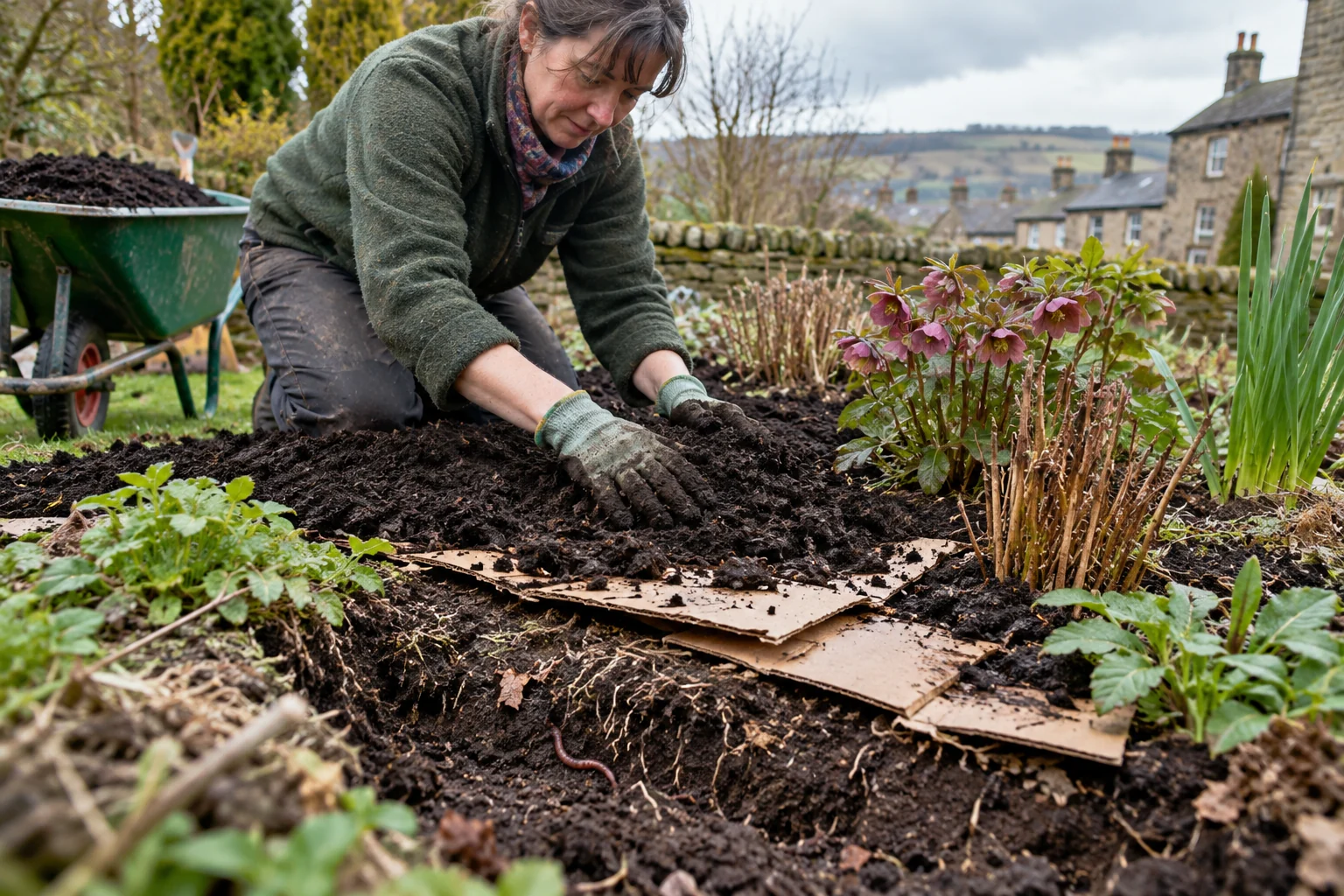
Starting a no-dig garden bed can provide your plants with an ideal environment to grow while minimizing disruption. First, choose an area that measures about 1.2 x 2.4m (or 4 x 8ft); this size is suitable for beginners and easy to maintain. Place cardboard or another light-blocking material directly over the existing grass and weeds to suppress unwanted plants while supporting soil life as organic matter decays.
To boost fertility from day one, add a layer of compost on top, ideally between 7-12cm deep if covering weedy ground or around 5cm if the spot is relatively clear. This method enriches your garden bed and promotes beneficial organisms like earthworms that improve soil structure without extensive digging or tilling, allowing natural processes to take charge.
You’ll notice progress quickly; within just two months, you should see seeds planted in the rich compost sprouting as they draw nutrients from below while their former competitors die off under that protective cardboard layer.
Compost Depth and Material Selection
As you consider how deep to layer your compost, remember this is a crucial step for building a successful garden bed. If your area has many weeds, aim for a thick layer of 7-12cm; this will cover unwanted plants and supply nutrients as it breaks down. In areas with fewer weeds, starting with about 5cm can work well, allowing your new bed to grow with less competition. The type of material you use matters, homemade compost or well-aged materials like leaf mould and woodchip over two years old each offer advantages. Don’t worry about sifting through clumps; nature often functions best when left alone! Regularly adding organic matter on top helps maintain healthy soil and supports diverse microbial life underground. Get ready! Your journey into cultivating these eco-friendly areas starts now, with careful choices guiding the path toward lush growth.
The Pros & Cons of No-Dig Gardening Techniques
Pros
-
No-dig gardening benefits soil structure and encourages healthy soil life.
-
It reduces the need for frequent weeding, which saves you time on maintenance.
-
This method improves how well the soil holds moisture and drains excess water.
-
Applying compost increases nutrient availability for plants, potentially leading to higher yields; the Two-Bed Trial shows a 12% increase in food production with the same amount of compost used.
-
You can plant immediately over existing grass and weeds, making it easier to set up your garden quickly.
Cons
-
Setting up your garden may need several layers of materials, like cardboard and compost, which can take a lot of work.
-
Some stubborn perennial weeds might still show up even when you use no-dig methods, so you'll need to keep managing them.
-
Depending on compost means that finding good quality materials could be tough for some gardeners.
-
You’ll have to learn about which plants work well together and the soil conditions needed to make no-dig systems successful.
-
Without permanent edges, bed shape can change over time unless you maintain it properly or use temporary supports.
Managing Weeds and Groundcover Plants
Weeds can be a gardener’s nightmare, but with the right strategies, you can transform your garden bed. Start by planting groundcover plants that keep weeds at bay. These hardy companions spread and create thick mats of leaves that block sunlight from unwanted plants. Consider varieties like creeping thyme or sedum; they enhance soil health by preventing erosion and retaining moisture.
Mulching
Mulching is another effective strategy, apply it generously around your plants! A good layer of organic mulch acts as a barrier against weeds while enriching the soil as it breaks down. Choose materials like straw, wood chips, or shredded leaves; these options decompose well and improve nutrient levels in the soil beneath them.
Stay Vigilant
Stay watchful during the growing season! Regular checks let you pull any emerging weeds before they establish deep roots, a little effort now saves trouble later when you’re enjoying your thriving beds instead of dealing with invasive species. Embrace this proactive approach and take pleasure in caring for both your flowers and vegetables while fostering an environment where nature flourishes alongside your gardening efforts!
Choosing Plants for Your Garden Bed
Selecting the right plants for your garden bed is like choosing friends who bring happiness and beauty into your life. Start by examining the conditions in your garden, sunlight, soil type, and moisture levels. The Royal Horticultural Society emphasizes matching the “right plant, right place.” in a sunny area with well-drained soil, consider planting lavender or other drought-resistant varieties. Use tools like the RHS online plant selector to find plants that fit your color and seasonal preferences; these choices can create a vibrant look in your outdoor space.
Planning for Lower Maintenance Beds
When planning lower maintenance beds, consider adding hardy shrubs and evergreen plants that remain interesting year-round without constant care. Sedges or hellebores look good in every season and drop fewer leaves than deciduous varieties, making cleanup easier. Choose tough groundcover plants; they densely cover bare soil, preventing weeds while supporting the ecosystem as they grow together. By taking this thoughtful approach now, you’re setting yourself up for a beautiful display of nature ready to thrive!
Essential Tips for Thriving Garden Beds
| Aspect | Details |
|---|---|
| Plant Selection | Match plants to soil and site conditions ("Right plant, right place"). |
| Recommended Plant Types | Hardy shrubs, evergreen plants (e.g., sedges, hellebores), groundcover plants. |
| RHS Certification | Look for the RHS Recommended: Award of Garden Merit label for reliable plant varieties. |
| No-Dig Bed Size | 1.2 x 2.4m / 4 x 8ft is suggested for beginners. |
| Compost Depth (Weedy Area) | 7-12cm / 3-5in recommended for areas with many weeds. |
| Compost Depth (Non-Weedy Area) | Starting depth of 5cm / 2in possible for non-weedy ground. |
| Organic Matter Application | Surface application of organic matter follows natural decay processes; compost recommended. |
| Time for Cardboard to Soften | Cardboard softens within two to three months beneath planted beds. |
| Annual Compost Application | Apply approximately 2.5cm / 1in of compost annually for maintaining soil health. |
| Results from Trials | The Two-Bed Trial reported a 12% increase in food yield for the same compost amount applied. |
Mulching Beds and Pathways Effectively
Creating effective mulch layers around garden beds and pathways is key for healthy growth and low maintenance. Use organic materials like straw, shredded bark, or wood chips to cover exposed soil; this suppresses weeds and retains moisture during dry spells. Aim for a depth of about 5-10cm (2-4 inches) for proper coverage, creating an environment where beneficial microorganisms can thrive as the mulch breaks down. Mulching enriches the soil beneath and supports vibrant plant health.
Pathways
Pathways are another important aspect often overlooked in garden design. To create easy-to-maintain paths between beds, consider using cardboard topped with mulch or gravel; this method keeps weeds at bay while providing a clear line separating different areas. Regularly check these walkways, keeping them clear will prevent grass from creeping into beds and stealing nutrients from plants. By investing effort into mulching and pathway care now, you’ll cultivate flourishing garden beds and an ecosystem that thrives on harmony!
Designing Bed Edges and Path Layouts
When planning the edges of your garden beds, consider how they can enhance both aesthetics and functionality. You don’t need permanent wooden frames; open-sided beds offer better drainage and easier access to soil life. Temporary borders made from materials like old fence posts or logs can keep compost in place during initial growth stages while minimizing pest hiding spots. Create pathways that are wide enough for easy movement yet narrow enough to maintain a cozy feel, this balance encourages accessibility without sacrificing beauty.
Paths
Paths also play an important role in keeping your plants healthy. By using light-blocking barriers like cardboard covered with mulch, you’ll effectively combat weeds while marking clear boundaries between growing areas, this helps protect nutrients in your beds! Regular upkeep ensures they remain neat and functional. The best gardens encourage exploration and interaction, so let each path guide you deeper into this green space where every corner reveals new surprises ready to bloom!
Unveiling Secrets of Garden Bed Care
-
The idea behind "Right plant, right place" is to select plants based on specific soil and environmental conditions. Focus on what fits best.
-
Many gardeners choose hardy shrubs and evergreen plants for low-maintenance beds because they require less replacement and care than annual bedding plants.
-
The no-dig gardening method suggests keeping the soil undisturbed while adding organic matter to the top layer. This can enhance moisture retention, improve drainage, and support healthy soil life.
-
Compost works well as mulch for annual crops like vegetables in wet climates since it boosts fertility and reduces pest habitats.
-
Reports show that using no-dig methods may lead to higher food production compared to traditional digging techniques, with one trial indicating a 12% increase in food output when applying the same amount of compost.
Planting Techniques and Propagation Tips
As you prepare to plant your garden beds, consider techniques and propagation methods for success. Direct sowing seeds or transplanting seedlings is enjoyable. If starting with seeds, use a seed tray in a sheltered spot for safe germination; this provides an early boost while reducing pest exposure. Transplant young plants into your new beds when conditions are right, ideally when the compost layer is soft enough for roots to penetrate.
Some crops like carrots and parsnips thrive best when sown directly due to their taproot nature, while others do better if nurtured indoors first.
Spacing
Spacing matters; ensure each plant has room to breathe so they don’t compete for nutrients or sunlight. Consider companion planting techniques that promote beneficial relationships between different species, fostering cooperation instead of competition. Pairing aromatic herbs with vegetables keeps pests away and adds flavor during harvest.
Timing
Don’t forget about timing; understanding seasonal patterns helps maximize growth potential throughout the year. As new shoots break through rich compost after just a couple of months, notice how quickly those tiny starts turn into lush greenery! By adopting these practices now, you’ll create a garden bed full of vitality, a true reflection of your passion for nurturing both plants and soil.
Watering and Ongoing Maintenance Practices
As your plants grow, caring for them requires focus on watering and maintenance. Establishing a consistent hydration routine is essential, especially when roots are forming. Instead of light sprinklings, aim for deep watering sessions; this helps develop strong root systems that access moisture deeper in the soil. Monitor your garden’s response: if leaves droop or curl, adjust your schedule until you find what works best.
Mulching
Besides watering, mulching is key to maintaining healthy garden beds. A layer of organic mulch insulates against temperature changes and retains moisture during dry spells; consider using straw or wood chips around your plants. This not only suppresses weeds but also nourishes beneficial microbes as it breaks down, supporting soil health.
Regular Check-ins
Check your bed regularly; watch for pests that may disrupt your plants’ balance. Spotting issues early makes finding solutions easier without drastic measures later, the more attentive you are, the better everything will thrive.
Enhancing Soil Structure with Organic Matter
In gardening, improving soil structure with organic matter provides a strong base for plants. Healthy soil is full of life. Regularly adding materials like compost or well-rotted leaf mold boosts fertility and creates a lively underground ecosystem. Aim to apply about 2.5 cm (1 inch) of this organic layer each year; this encourages beneficial organisms like earthworms and microbes that aerate and enrich the soil over time.
Nature’s Processes
Also, don’t overlook the benefits of nature’s processes! A no-dig approach allows layers to accumulate naturally, helping retain moisture and providing space for roots to grow freely. Undisturbed soils develop unique honeycomb structures filled with air passages, a true sign of life beneath the surface. Use shovels only when necessary; let your garden bed’s natural rhythms thrive through careful additions. Your efforts will lead to healthier plants, and you’ll enjoy watching them flourish as they draw strength from enriched soil year after year!
Cultivating a Thriving Garden Bed
Creating a successful garden bed involves understanding plant and soil interactions. Observe how your chosen plants react to their surroundings; they require care, not just decoration. Provide enough space for each plant to grow without competing for nutrients, this balance helps them thrive. Be mindful of timing when planting seeds or moving seedlings. Starting some crops indoors can give them an early advantage against unpredictable weather before moving them outside.
Seasonal Changes
Keep seasonal changes in mind when planning your harvests and crop rotations. Rotate crops carefully to maintain soil health and reduce pest problems. Consider companion planting; different species together can enhance flavors and help fend off pests.
As you cultivate these relationships within your beds, continue learning through observation; every season will teach you something new about what works best in your garden. Celebrate small wins, the first flowers blooming or fresh greens ready for picking, and let this gardening journey excite you as nature unfolds its beauty around you!
FAQ
What is the "right plant, right place" principle, and how can I apply it to my garden?
The “right plant, right place” principle involves selecting plants suited to your garden’s specific conditions, enhancing growth and reducing maintenance.
How deep should I apply compost for a weedy area versus non-weedy ground?
Apply compost at a depth of 7-12cm (3-5in) for weedy areas and 5cm (2in) for weed-free ground.
What are the benefits of using the no-dig gardening method?
The no-dig gardening method improves moisture retention, soil life, and reduces weeds, allowing planting directly into compost while maintaining soil structure, resulting in higher yields.
How do I create a no-dig bed over existing grass and weeds?
To set up a no-dig bed over grass and weeds, place cardboard on the ground, add compost on top, and water it well if it’s dry.
What types of compost materials can I use in my garden?
Gardeners can enhance their soil with animal manure aged six months, homemade compost, municipal compost, mushroom compost, leaf mould, and woodchip over two years old.