
Easy-care Plants for the Garden
Key Takeaways
- Readers learn to create a low-maintenance garden by planning and choosing hardy plants suited for their environment, allowing them to enjoy beauty without constant care.
- This article provides tips like planting closely and using effective mulching methods to control weeds and improve soil health, making gardening easier for busy people.
- A sense of community develops as readers are encouraged to share their experiences with low-maintenance gardening, showing that it can be both a personal journey and a collective passion.
Choosing plants works best after the site is planned; the guidance on garden layout explains how paths, beds and lawn areas can affect ongoing work.
Planning a Low-maintenance Garden
Creating a low-maintenance garden starts with careful planning to keep your outdoor area attractive and manageable. First, consider how much time you can realistically spend on gardening; this will shape design choices that fit your lifestyle. Placing high-maintenance features like vegetable patches near your home or shed will reduce unnecessary trips across the yard.
Consider adding automatic irrigation systems for watering potted plants, this upgrade can ease the burden during warmer months when you’re busy. While hardy evergreens may need some initial attention until established, they’ll provide a strong base for any landscape once settled; their durability means less frequent care later on.
By choosing plants based on specific soil conditions and sunlight exposure, you create an environment where vibrant flowers flourish effortlessly. This approach allows even beginner gardeners to enjoy lush greenery without being overwhelmed by maintenance tasks.
Choosing Hardy Evergreens and Shrubs
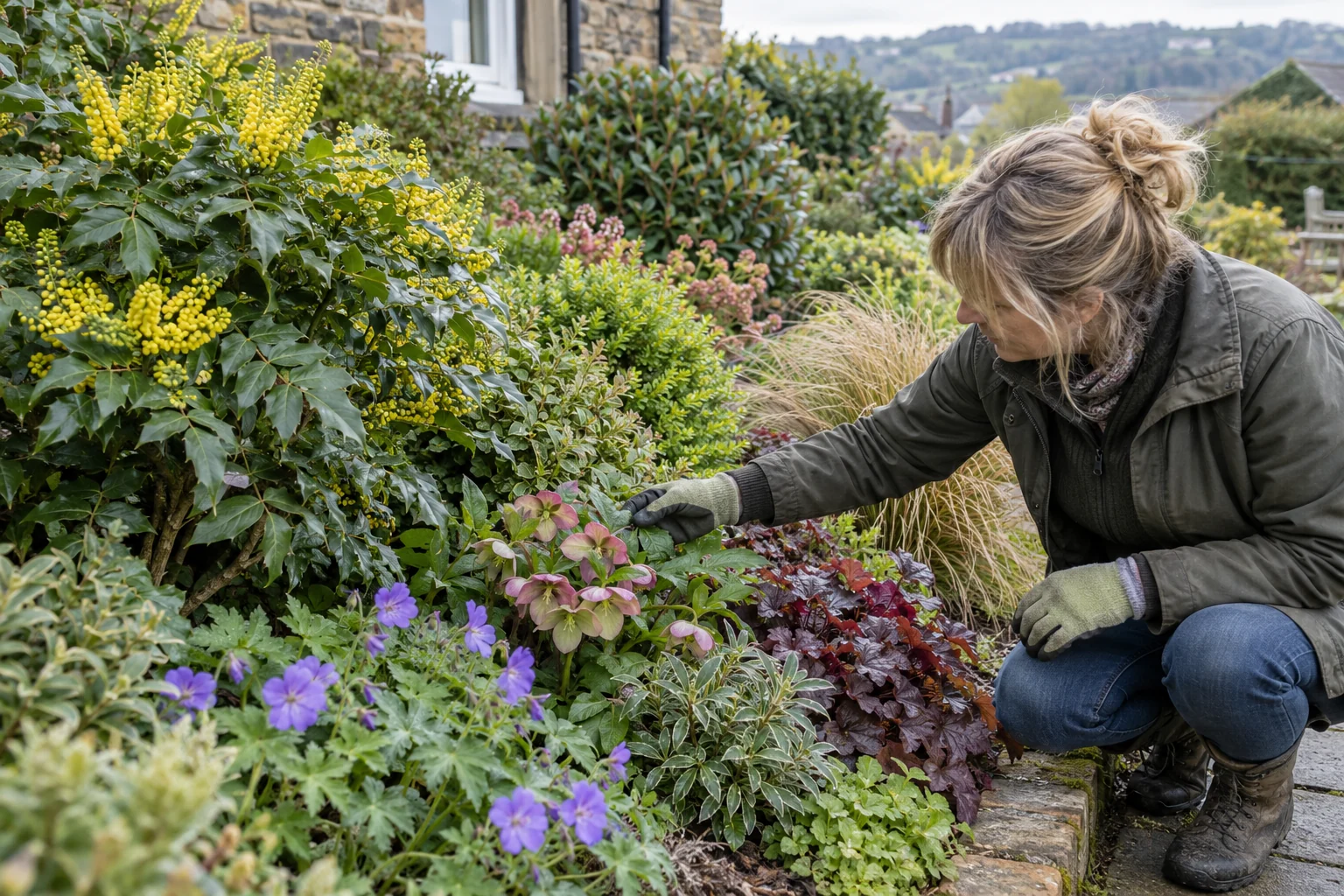
Selecting hardy evergreens and shrubs is essential for any low-maintenance garden. They provide year-round structure and beauty with minimal effort. Start by assessing your garden’s conditions, soil type, sunlight, and moisture levels, since these factors determine which plants will thrive. Mahonia spp. Has evergreen leaves and winter blooms, thriving in partial shade and requiring occasional watering once established. Viburnum tinus offers consistent greenery and attractive berries throughout the seasons with little care; its smaller varieties fit well into tight spaces.
Including plants like Euphorbia characias adds unique texture while being drought-tolerant after establishment, a great advantage for busy gardeners wanting to reduce their workload during dry periods. Strategically placing these resilient options in your landscape helps them grow harmoniously and reduces future maintenance tasks like pruning or heavy feeding. As you plan your space around these reliable selections, consider how they will collectively create a vibrant backdrop that enhances other features of your outdoor area, all without requiring excessive time or energy from you.
The Pros & Cons of Low-Maintenance Gardening
Pros
-
Cuts down on everyday garden tasks, making it ideal for people with busy schedules or less interest in gardening.
-
Lets you keep the favorite parts of your garden while reducing work in other areas.
-
Encourages choosing plants that do well in certain conditions, resulting in healthier growth with less effort needed.
-
Uses methods like mulch and close planting to control weeds, which lowers ongoing maintenance chores.
-
Supports planning ahead and designing layouts that lessen future workload.
Cons
-
Establishing even low-maintenance plants requires some initial care and ongoing attention.
-
Replacing high-maintenance features with easier options may affect the overall look of your garden.
-
Some easy-care plants still need occasional pruning or division, which can add to your workload over time.
-
Shifting to a low-maintenance garden might demand upfront effort and planning that could feel overwhelming for some gardeners.
-
Choosing specific plants means that poor selections can lead to more maintenance needs.
Easy-care Perennials for Your Garden
Perennials are essential for a low-maintenance garden. They provide various blooms and leaves that enhance outdoor areas with minimal effort. To choose the right perennials, it’s important to understand their growth patterns. Hardy geraniums like ‘Rozanne’ bloom from early summer to late fall and thrive in different conditions while being drought-tolerant once established. Echinacea purpurea adds color and supports local wildlife by providing seeds in winter, demonstrating that beauty can coexist with ecological benefits.
Once established, these plants thrive on neglect, making them ideal for busy individuals who want beautiful flowers without constant care.
Easy Choices
Consider adding Alchemilla mollis for its vibrant green leaves and delicate flowers that self-seed easily yet remain manageable when planted correctly. Grouping these adaptable perennials creates visual interest while shading the soil, helping to keep weeds at bay. Salvia nemorosa is another excellent option; it produces striking blue flower spikes that may bloom again if trimmed after their first flowering. This flexibility makes it a great choice for those seeking seasonal variety with less maintenance.
By selecting resilient varieties and arranging them thoughtfully in landscape design, anyone can create a thriving garden oasis where each plant adds value without overwhelming upkeep responsibilities.
Incorporating Ornamental Grasses
Ornamental grasses enhance low-maintenance gardens, providing texture and movement with minimal effort. These plants thrive in various conditions, making them suitable for diverse landscapes. Miscanthus sinensis produces beautiful plumes that reflect light in late summer and requires little care once established, simply cut it back to about 15 cm above ground level each February. Stipa gigantea offers similar benefits; its graceful arching form adds elegance while needing only occasional tidying of dead leaves in spring.
Enhancing Your Garden
Adding ornamental grasses to your planting scheme can improve the overall look with minimal upkeep. Grouping them together or mixing them with perennials and shrubs creates interesting contrasts that enhance visual appeal throughout the seasons. Dierama pulcherrimum is another excellent choice; it prefers well-drained soil and sunny spots and thrives when left undisturbed after planting. By selecting these hardy species based on site conditions and arranging them thoughtfully within your design, you can enjoy a beautiful landscape that fits your busy life while reducing maintenance tasks.
Top Low-Maintenance Plants for Effortless Gardening
| Plant Type | Plant Name | Key Features | Maintenance Needs | Ideal Conditions | Notes |
|---|---|---|---|---|---|
| Shrubs | Buddleja (Butterfly Bush) | Attracts butterflies, requires hard spring cut, can self-seed | Occasional watering during summer drought | Full sun, well-drained soil | Consider compact varieties for less maintenance |
| Mahonia spp. | Evergreen structure, winter flowers | Minimal once established | Partial shade | Varieties like ‘Winter Sun’ recommended | |
| Viburnum tinus | Evergreen, flowers from late autumn to spring, produces metallic-blue berries | Low maintenance | Full sun to partial shade | ‘Eve Price’ is a compact variety | |
| Small Trees | Sorbus ‘Joseph Rock’ | Spring blossom, summer foliage, amber berries | No regular pruning required | Full sun | Remove crossing or damaged branches only |
| Prunus serrula (Tibetan Cherry) | Mahogany-red bark, spring blossom, autumn foliage color | Minimal pruning needed, avoid autumn/winter cutting | Full sun | Polishing bark in late winter recommended | |
| Perennials | Geranium spp. | Drought-tolerant, long flowering period | Low maintenance once established | Full sun to partial shade | ‘Rozanne’ flowers from early summer to frost |
| Echinacea purpurea | Attractive seed heads for wildlife, drought-tolerant | Minimal care once established | Full sun | Leave standing over winter for interest | |
| Grasses | Miscanthus sinensis | Ornamental grass, provides structure, named varieties include ‘Morning Light’ and ‘Gracillimus’ | Cut down to 15cm above ground in late February | Full sun | Requires little beyond dead leaf removal |
| Bulbs | Allium spp. | Can naturalize in well-drained soil, named varieties include ‘Purple Sensation’ and ‘Gladiator’ | Low maintenance once established | Full sun | Plant in autumn for best results |
Utilizing Bulbs and Late-season Bloomers
Bulbs and late-season bloomers extend the gardening season with little effort, adding color when many plants fade. Allium spp. Are an excellent choice; plant these bulbs in the fall, and they may naturalize well in well-drained soil. Varieties like ‘Purple Sensation’ or ‘Mount Everest’ provide beautiful blooms and attract pollinators, enhancing your garden’s ecosystem while requiring minimal care once established.
Kniphofia Spp.
Kniphofia spp., commonly known as red hot pokers, add vibrant spikes of color that brighten gardens in late summer; remove dead flower stems each spring for best results.
Verbena Bonariensis
Adding Verbena bonariensis to your garden brings height and movement without much maintenance, this perennial often self-seeds after its first year. Trim back its stems in early spring to promote new growth.
Camellia Japonica
For winter interest and lovely flowers earlier in the year, consider Camellia japonica. This plant offers evergreen beauty paired with blossoms; it thrives best in acidic soil protected from harsh winds.
By incorporating these easy-care bulbs and performers into your landscape plan, and ensuring they match the light conditions, you’ll create a garden that provides enjoyment across multiple seasons while reducing maintenance tasks. These choices allow every gardener, whether experienced or new, to appreciate their efforts without feeling overwhelmed by ongoing responsibilities.
Effective Mulching and Weed Control
Creating an effective mulching strategy is important for a low-maintenance garden and controlling weeds. A layer of mulch, about 5 cm (2 inches) thick, should be spread over the soil surface in late autumn or early winter. This method prevents weed growth, retains moisture, improves soil quality, and enhances garden appearance. Good mulch options include chipped bark, gravel, or well-rotted compost; these materials suit various garden styles while supporting healthy plants.
Dense Planting
Dense planting is another key way to reduce weeding tasks. By grouping compatible plants together, like hardy geraniums or heucheras, you create dense ground cover that blocks weeds competing for nutrients and water. These arrangements are attractive and practical, requiring less upkeep than traditional single plantings since their leaves fill spaces where weeds might grow. Using methods like “no dig” gardening with organic mulches helps maintain soil structure and reduce compaction, all essential for creating a thriving ecosystem with minimal effort!
Discovering Myths and Facts About Easy-Care Plants
-
Many people think easy-care plants don’t need maintenance. The Royal Horticultural Society (RHS) states there’s no such thing as a “no maintenance” plant since even tough varieties require care while getting established.
-
It’s a common belief that planting any shrub or perennial means low upkeep. In reality, choosing the right plants based on soil, light, and moisture is essential; a poorly matched plant usually needs more attention than one suited to its environment.
-
Some gardeners believe artificial grass eliminates lawn care completely. The RHS cautions it still needs regular brushing and leaf removal and may need replacement in about ten years.
-
There’s a myth that once established, easy-care plants can thrive without help. While many can grow with minimal care after their first season, they benefit from occasional tasks like pruning, dividing, or deadheading to stay healthy and look good.
-
People often think dense planting and mulching aren’t needed for easy-care gardens. But the RHS highlights these methods as effective ways to suppress weeds, reducing weeding efforts and creating an easier-to-manage garden space.
Soil, Water, and Site Matching
Understanding the specific needs of your garden’s soil, water availability, and site conditions is key to creating a low-maintenance landscape. Each plant has its own preferences, so aligning them with their environment can reduce ongoing care. Many evergreen varieties need little attention once established but may require initial watering during dry spells or while adjusting to their new home.
Sunlight Considerations
Paying attention to how sunlight reaches different areas in your space will help you choose plants that grow well without frequent adjustments. If you have limited sun exposure, consider shade-loving options like hostas; for sunnier spots, select drought-tolerant choices like lavender.
Moisture Assessment
Also, take note of moisture levels in various parts of your garden. This allows you to place plants according to their hydration needs, putting moisture-loving plants near natural water sources ensures they thrive over time.
By planning your layout based on these factors, like grouping compatible plants together, you’ll create a vibrant ecosystem that flourishes with less effort and brings enjoyment instead of stress amidst daily responsibilities.
Reducing Lawn and Pond Maintenance
Transitioning from a traditional garden to a low-maintenance setup can seem challenging, but it doesn’t have to be. When considering lawn and pond maintenance, reducing these features or changing their purpose is important. Lawns often take up the most time and energy in outdoor spaces. Instead of constant mowing and weeding, consider turning parts into gravel paths or flower beds with sturdy shrubs, this option looks appealing and requires less care over time.
If you enjoy your water feature, consider making a fish-free pond; this creates a natural balance that reduces algae blooms and eliminates the need for pumps and filters. Choosing native plants around ponds supports ecological balance without requiring much attention, these plants thrive in local conditions and benefit wildlife habitats. By making smart choices about key elements in your landscape design, from simplifying lawn areas to adopting sustainable practices, you’ll enjoy gardening more while following an easier path through careful planning aimed at low-maintenance enjoyment.
Embracing Easy-care Gardening
Embracing easy-care gardening means understanding that maintenance doesn’t have to feel like hard work. This approach encourages you to choose plants and design elements that fit your lifestyle. By selecting tough varieties that thrive in your conditions, like soil type or sunlight, you create an environment where plants flourish with less effort. The Royal Horticultural Society notes that while no plant needs zero care, smart choices can significantly reduce your workload.
Low-maintenance Strategies
Using low-maintenance techniques allows for creativity in garden design while maintaining beauty. Planting different layers not only looks good but also helps suppress weeds with thick foliage, imagine clusters of nepeta mixed among perennials! As you explore gardening, consider planning around existing elements and desired functions; shrubs could replace high-maintenance borders, or ground covers might fill bare spots. Every choice aimed at ease gives you more time to enjoy rather than worry about upkeep, a true sign of finding joy in creating beauty amidst a busy life.
FAQ
What does "low maintenance" gardening really mean, and what are its key principles?
Low maintenance gardening reduces routine tasks while keeping your garden attractive through smart planning, suitable plant selection, and effective organization.
How can gardeners effectively plan their garden layout to reduce ongoing work?
Gardeners can reduce maintenance and enhance appearance by placing high-care features near the house, using automatic irrigation, and selecting site-appropriate plants.
What types of plants are recommended for easy-care gardening, and what characteristics do they share?
Easy-care gardening involves selecting sturdy, drought-resistant plants like Buddleja, Mahonia, Sorbus, Prunus, Geranium, and Echinacea that require minimal upkeep.
What strategies can be employed to suppress weeds in a low-maintenance garden?
To prevent weeds in a low-maintenance garden, the Royal Horticultural Society (RHS) recommends using mulch, planting densely, and incorporating ground-cover plants.