
How to Create a Lower-maintenance Garden
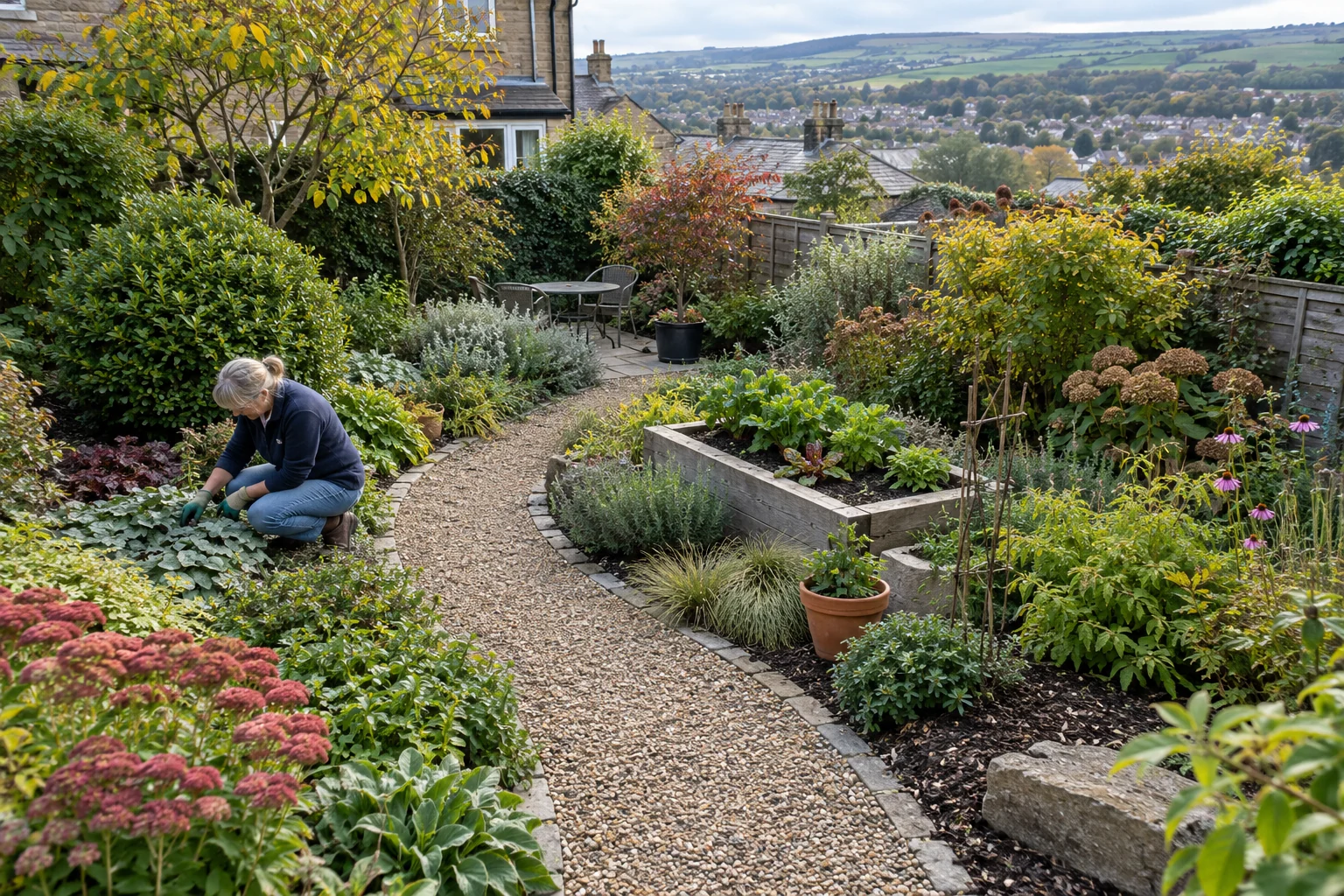
Creating a low-maintenance garden is achievable and enhances outdoor beauty. By choosing native plants suited to the local climate, she reduces water and care needs while using mulch to suppress weeds and retain moisture. Smart design choices, like grouping plants with similar needs and using hard landscaping instead of traditional lawns, simplify maintenance. With these strategies, her garden becomes a lively retreat focused on enjoyment rather than chores.
Simplifying Garden Layout and Planting
To set up a low-maintenance garden, start by planning a simple layout. If a lawn isn’t necessary for play or recreation, consider replacing it with hard landscaping options like gravel or decking. This change reduces maintenance while maintaining aesthetics.
Using raised beds makes gardening more accessible and minimizes bending, which is beneficial for those with mobility issues. Choose tough shrubs and groundcover plants that thrive in your area without constant care.
Group plants by their water and sunlight needs to limit gaps where weeds can grow. Opting for natural shapes instead of strict designs allows you to appreciate growth while keeping upkeep low, there’s no rule that gardens must look perfect!
Selecting Plants for Site Conditions
Selecting the right plants is key to creating a low-maintenance garden. Start by checking your soil type, sunlight exposure, and climate conditions, this helps ensure you choose varieties that will grow well without constant care. Consider adding slow-growing evergreen shrubs like pittosporum or hebe; these sturdy options provide year-round interest and require little maintenance. Groundcover plants like creeping thyme keep weeds down while forming attractive mats beneath taller perennials or ornamental grasses.
By using fewer species and planting them in bold clusters instead of scattered arrangements, you’ll create a strong visual impact with less work, it’s easier to care for larger groups of similar plants. Avoid invasive species that could take over your selections; plan how each variety will interact within the space before buying anything at the nursery. This approach promotes harmony among your plantings while minimizing potential issues later on, gardening should be enjoyable, not just hard work!
The Pros & Cons of Effortless Gardening Solutions
Pros
-
Lower-maintenance gardening means you spend less time and effort on tasks like mowing, watering, and weeding.
-
Simplified layouts and hard landscaping create clearer structures that need less intensive care.
-
By choosing hardy shrubs, perennials, and groundcover plants, you can reduce the frequency of replacements.
-
Raised beds make it easier for people with reduced mobility to garden without excessive bending or reaching.
-
Mulching helps keep weeds down and saves water, which lowers maintenance needs.
-
Tools designed for efficiency, like battery-powered equipment and no-dig gardening methods, reduce physical strain while gardening.
Cons
-
Transitioning to a garden that requires less upkeep might come with some initial costs for things like raised beds or hardscaping materials.
-
Some plants need specific conditions; picking the wrong ones can lead to more maintenance if they don't thrive.
-
A casual garden design may not be attractive to those who enjoy a neatly manicured look.
-
Automated tools such as irrigation timers or robotic mowers require an upfront investment and ongoing care.
-
Cutting down on lawn space could limit traditional outdoor activities for families with kids or pets.
-
Accepting natural variation in your garden might give off a vibe of neglect if it's not managed well.
Reducing Watering and Weeding Needs
To make your garden easier to care for, focus on reducing the time spent watering and weeding. Start by applying mulch around your plants; this helps prevent weeds and retains moisture in the soil. Use materials like bark chippings or gravel, both are visually appealing and functional.
Besides mulching, plant flowers and veggies closer together: when tightly packed, they compete with weeds for nutrients, reducing overall weed growth. If using containers, consider larger pots; they hold moisture better than smaller ones and require less frequent watering during hot weather.
If in an urban area where traditional gardening is challenging, automated irrigation systems are a great option, they water your plants at set times without daily attention while ensuring they receive the right amount of water.
By combining these strategies, you’ll save time while creating a healthy space that showcases nature’s ability to thrive!
Making Lawns Easier to Manage
A well-kept lawn requires work, but you can simplify maintenance without losing charm. Consider switching from traditional grass to wildflower meadows or paths through taller grasses; these options reduce mowing frequency, support local wildlife, and enhance visual appeal. If you want grassy areas, use a robotic mower that operates efficiently, these machines can be programmed to maintain your lawn with minimal supervision while you focus on other gardening tasks.
Adding borders made from wood or stone prevents grass from encroaching into flower beds, reducing trimming time. For hedges, choose low-maintenance types that require little pruning; composite fencing is another excellent option for garden boundaries as it needs minimal upkeep. By designing your outdoor space around these ideas, you’ll create an enjoyable environment that requires less effort!
Top Plants for Effortless Garden Care
| Plant Type | Characteristics | Maintenance Level | Examples |
|---|---|---|---|
| Slow-growing Evergreen Shrubs | Long-lived, retain leaves year-round | Low | Pittosporum, Hebe, Rosemary |
| Colourful Architectural Plants | Requires minimal maintenance, adds structure to garden | Low | Phormium |
| Easy-care Perennials | Tolerate some shade, can produce multiple flushes of colour | Low | Geums, Hardy Geraniums |
| Tough Daisy-like Flowers | Low-maintenance, provide seasonal interest | Low | Salvias, Aster amellus ‘King George’ |
| Ornamental Grasses | Need annual cutting, provide structure and seedheads | Low | Various deciduous grasses |
| Shade-loving Shrubs | Suitable for low-light areas, require minimal care | Low | Mahonia |
| Low-maintenance Bulbs | Require little care, add seasonal colour | Low | Daffodils |
| Groundcover Plants | Spread to suppress weeds, knit together | Low | Various hardy groundcovers |
| Wildflower Mixes | Provide months of colour with proper care | Low | Various wildflower mixes |
| Composite Fencing Panels | Made from recycled materials, requires minimal upkeep | Low | Cladco Composite Fencing Panels |
Choosing Tools for Gardening Efficiency
The right tools can help you create a low-maintenance garden that thrives with minimal effort. Start with ergonomic gardening tools that reduce strain, like long-handled rakes or leaf collectors to gather debris without bending over. Consider using battery-operated equipment; these devices eliminate the hassle of fuel and allow for easy movement without heavy cords. A self-recoiling hose on a reel prevents tangles while ensuring you water exactly where needed, no more dragging heavy hoses across your paths.
Embrace No-dig Techniques for Planting and Maintenance!
Layer compost or organic material directly onto existing soil to avoid disturbing the ecosystem beneath. Earthworms and beneficial microbes thrive when undisturbed. This method saves labor while improving soil health over time. Composting at home simplifies your efforts: turn kitchen scraps into nutritious mulch for your beds instead of buying bagged products, making it sustainable and cost-effective! With smart choices about tools and methods like these, you build an efficient system where nature does much of the hard work, you can simply enjoy being outdoors surrounded by lush growth!
Creating Accessible Garden Spaces
An accessible garden space is essential for creating an enjoyable, low-maintenance area where everyone can connect with nature. Design pathways that are wide enough for easy navigation and ensure they are stable and slip-resistant, especially important if mobility is a concern. Raised beds lift planting areas, reducing the need to bend down while gardening, which eases strain on the back and joints. Adding seating areas near raised beds invites relaxation as you tend to your plants without feeling overwhelmed.
Tactile Materials
Think about using tactile materials like smooth stones or softer surfaces around paths to improve safety and comfort underfoot. An informal design approach encourages spontaneous growth while keeping maintenance minimal; letting some wildflowers or native plants grow freely adds charm without requiring intense upkeep! By combining accessibility features with practical design elements, you’ll create a welcoming sanctuary where gardening is enjoyable rather than just another chore.
Unveiling Secrets of Effortless Gardening
-
Many gardeners think a well-kept lawn is key to an appealing garden, but research shows that eliminating a small lawn can cut down on maintenance tasks. Options like bigger borders or paved areas can create an attractive space with less effort.
-
It’s a common belief that all plants need to be replaced often for a lively garden. In truth, hardy shrubs and evergreen plants are usually long-lasting and provide year-round beauty without regular replanting.
-
Some believe keeping a tidy garden means following strict design rules. A more casual style can make natural features like longer grass or fallen leaves appear intentional instead of messy.
-
Many assume gardening requires constant physical labor and bending over. But using raised beds can ease this strain, making it easier for those with limited mobility to plant and weed.
-
A lot of folks think watering plants has to be done by hand all the time. Automatic irrigation systems present a practical option, allowing consistent watering schedules without manual intervention.
Composting and No-dig Methods
To create a low-maintenance garden, use composting and no-dig methods. Start by adding organic material directly onto your soil; this enriches the ground with nutrients while keeping the ecosystem intact. Allowing creatures like earthworms to thrive undisturbed creates healthy soil that supports strong plant growth without constant care.
Home composting streamlines gardening, turn kitchen scraps into nutrient-rich mulch instead of buying pre-packaged options. This reduces waste and encourages sustainability in your outdoor space.
These techniques also reduce physical effort: without turning over heavy soil or constantly weeding, you’ll have more energy to enjoy your surroundings. As you adopt these strategies, watch how nature takes on much of the work, allowing you to appreciate every moment spent outside among thriving plants!
Embracing Informal Garden Design
An informal garden design creates a relaxed vibe that aligns with low maintenance. Instead of strict lines or set shapes, let your garden grow naturally. Favor curves over straight edges; this choice softens the look and creates welcoming paths for you and visiting wildlife. The charm of an unstructured space is its ability to accommodate unexpected growth, wildflowers among established plants add character without constant care.
Diverse Plantings
Adding a variety of plants boosts visual appeal while simplifying upkeep. Choose a mix of perennials, ornamental grasses, and shrubs that thrive together instead of relying on annuals that require replanting each year. Grouping these types encourages mutual support as they grow, a strong community thriving with minimal effort! Select adaptable plants; those native to your area usually perform best since they have developed alongside local conditions.
Layering Heights
Consider layering heights in your planting plan, tall grasses at the back, medium-sized flowers in the middle, and lower groundcovers along paths create depth without extra work. This setup enhances appearance and reduces weeding by providing denser coverage across soil surfaces where weeds might emerge. It’s about creating a balanced mix where nature does much of the heavy lifting!
Playful Elements
incorporate playful elements like rustic furniture or natural stone features throughout your outdoor space, they serve as focal points without imposing rigid expectations on appearance. Embracing imperfection means fewer worries when leaves scatter on walkways or if some blooms fade earlier than expected; instead, focus on enjoying each season’s unique gifts while appreciating gardening as an enjoyable hobby rather than just another chore.
Enjoying Your Low-maintenance Garden
Once you’ve set up your low-maintenance garden, enjoy its benefits. Picture stepping outside to a colorful display without the stress of constant care. Your garden becomes a relaxing retreat rather than just a place for plants. Whether sipping morning coffee among blooming perennials or gathering with friends around rustic seating, every part of this space invites enjoyment.
Embracing Nature's Rhythm
Feel good about letting some areas grow wild while keeping others neatly arranged, this enhances your gardening experience. Remember that imperfections add charm; each fallen leaf or untrimmed stem reflects nature’s character. The key is finding balance: maintain a routine that mixes chores with pleasure and be flexible when things don’t go as planned. With smart design and careful plant choices, you’ll find joy in nurturing life and making memories outdoors, after all, isn’t that what gardening should be?
FAQ
What are the benefits of reducing high-maintenance areas in my garden?
Reducing high-maintenance areas in a garden saves time and effort, making gardening easier for those with busy schedules or mobility issues.
How can I choose plants that require less care and are suited to my local conditions?
Check the soil, light, and climate to choose low-maintenance plants that suit your local environment, using tools like the RHS online plant selector for guidance.
What techniques can I use to suppress weeds and conserve water effectively?
To control weeds and save water, gardeners should cover soil with mulch and practice dense planting to fill spaces where weeds might grow.
How do I simplify my lawn maintenance while keeping it looking attractive?
Consider eliminating small lawns, using permanent edging to reduce trimming, and opting for longer grass or wildflower meadows for easier lawn care and visual interest.
What tools or methods can help me reduce physical strain while gardening?
Use long-handled tools, ergonomic equipment, battery-powered devices, and no-dig gardening methods to make gardening easier on your body.