
How to Reduce Weeding in a Low-maintenance Garden
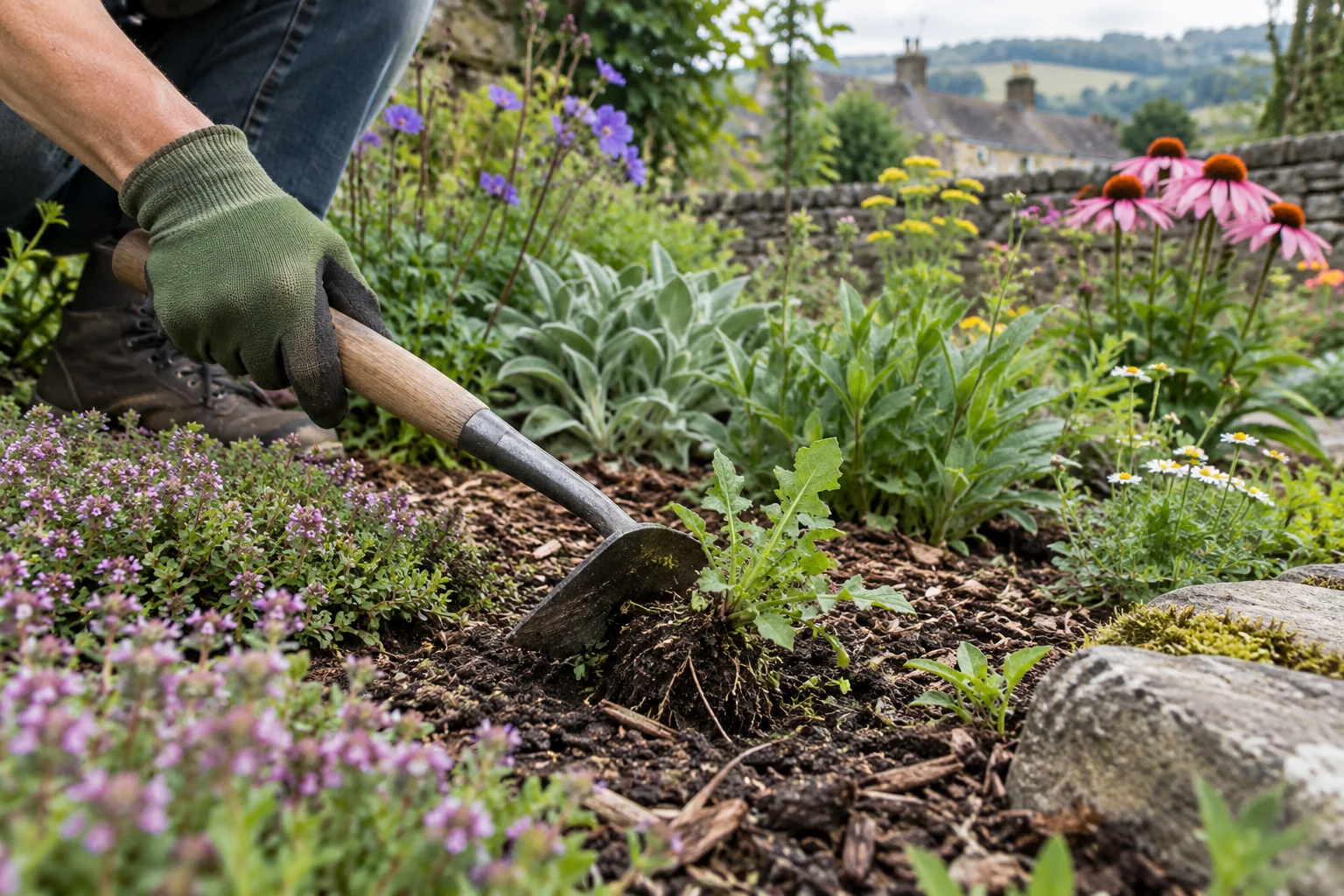
Smart gardeners create beautiful gardens with less weeding by using organic mulch and planting densely. A thick layer of organic mulch, at least 5cm (2 inches), blocks sunlight from weed seeds and improves the soil as it breaks down. They fill their beds with strong perennials and ground covers that compete for nutrients and space, making it difficult for unwanted plants to grow. This method reduces maintenance while promoting a lively ecosystem.
Covering Bare Soil with Organic Mulch
One effective way to reduce weed growth is by covering bare soil with organic mulch. This protective layer blocks sunlight and prevents weeds from taking hold. Using materials like straw, grass clippings from untreated lawns, or shredded leaves creates a barrier. Aim for at least 5cm (2 inches) in thickness; this helps retain moisture in the soil and enriches it over time as the mulch breaks down. Consider getting wood chips from local arborists through services like Chip Drop, it’s eco-friendly and cost-effective! Regularly replenish this mulch to keep your area thriving while deterring weeds. Organic mulch also boosts biodiversity by providing habitat for beneficial insects and microorganisms, vital allies in maintaining a healthy garden ecosystem. Weed pressure is easier to manage when borders, paths and planting areas are planned together; consider the overall garden layout before deciding which patches to tackle.
Utilizing Dense Planting for Weed Suppression
Creating a low-maintenance garden that reduces weed growth is possible with dense planting. Filling garden beds with selected plants adds beauty and creates a natural barrier against weeds. Choose strong perennials like salvia and catmint to outcompete unwanted plants; their vigorous growth covers gaps, making it difficult for weeds to take root. Ground-cover plants like creeping thyme or ajuga act as living carpets, minimizing bare soil in your landscape. This method enhances visual appeal and allows nature’s defenses to work for you.
Plant Combinations
Consider how these plant combinations interact and adapt to local conditions, they can thrive next to wildflowers without constant care! Pairing native grasses with pollinator-attracting flowers creates an inviting habitat while gradually reducing invasive species. By adopting this approach, you’ll spend less time weeding and more time enjoying the lively environment. As these plant communities mature, they become stronger against competition from annuals and perennials, just be patient for them to flourish together harmoniously in your green oasis.
The Pros & Cons of Low-Maintenance Weeding Strategies
Pros
-
Organic mulch helps soil hold moisture and improves its structure while keeping weeds at bay.
-
Planting closely together reduces bare soil, making it harder for weeds to grow.
-
Non-chemical control methods are safer for kids and pets, creating a healthier garden space.
-
Allowing some wild plants can increase biodiversity, which supports local wildlife and ecosystems.
-
Using barriers like landscape fabric or gravel cuts down on the need for constant weeding.
-
Being patient in developing plant communities can lead to less weed maintenance over time.
Cons
-
You may still need to do some weeding at first as new plants take root and stubborn weeds stick around.
-
Some techniques, like smothering, might require a few growing seasons before they really manage to control the weeds.
-
Picking the right plants calls for solid knowledge of local ecology and conditions.
-
Relying on organic materials such as mulch can mean you’ll have to refresh and maintain it regularly.
-
The success of different strategies depends on the specific types of weeds that show up in your garden.
-
Being okay with certain weeds might not work well in every garden setting.
Leveraging Plant Vigour Against Weeds
To create a thriving garden with less need for weeding, leverage the natural competition between plants. By choosing strong species, you can create an environment where desired plants outgrow weeds. Adding hardy varieties like Veronicastrum or Eupatorium next to wildflowers like Digitalis purpurea and Rumex acetosella fills your garden space and helps these plants occupy areas that weeds might otherwise take. This arrangement reduces weed issues while boosting biodiversity, an approach that pays off over time.
As the chosen plants grow together, they will naturally keep invasive species at bay without constant help from you, just give them time to establish! Embrace this interaction among plant communities; it’s about supporting nature’s strength instead of fighting against it. You’ll spend less effort on maintenance and more time enjoying the beauty around you.
Implementing Non-chemical Weed Control Methods
Weed management doesn’t have to rely on harsh chemicals; various non-chemical methods can promote the health of your garden and environment. Cover bare soil with organic materials like straw or shredded bark. This step suppresses weeds and enriches soil as it decomposes. Aim for a layer of at least 5cm (2 inches) thick to block sunlight from reaching potential weed seeds while retaining moisture in your garden bed.
Mulching
to mulching, hand weeding effectively removes unwanted plants before they establish. Annual weeds typically have shallow roots, making them easier to pull out completely, so take advantage of this when planning your gardening routine.
Tools for Persistent Weeds
For stubborn perennial weeds that need extra attention, consider using tools like hoes on dry days, they cut through stems just below the surface where roots are located. Regularly cutting back these invasive species weakens their growth over time without chemical solutions, allowing you to maintain control safely around children and pets.
Top Strategies for Minimizing Garden Weeds
| Method | Description | Materials/Plants Used | Benefits | Maintenance Level |
|---|---|---|---|---|
| Cover Bare Soil | Prevents weeds by keeping soil covered. | Organic mulch (straw, grass clippings, dried leaves), landscape fabric | Suppresses weeds, retains moisture, improves soil structure | Low |
| Dense Planting | Reduces exposed soil to suppress weed growth. | Hardy perennials (salvia, geranium, catmint), ground cover plants | Provides dense coverage, attracts pollinators, reduces maintenance | Moderate |
| Competitive Plant Communities | Uses vigorous plants to outcompete weeds. | Valeriana officinalis, Rumex acetosella, Digitalis purpurea | Lower maintenance, supports wildlife, enhances biodiversity | Moderate to High |
| Smothering Weeds | Involves cutting back or covering weeds to weaken them. | Mulch, temporary weed fabrics | Effective against annual and perennial weeds | Moderate |
| Selective Tolerance | Accepts some wild plants to enhance biodiversity. | Dandelions, nettles, couch grass | Boosts garden diversity, reduces workload | Low to Moderate |
| Use of Non-Chemical Control | Focuses on manual removal and mechanical methods instead of chemicals. | Hand tools, hoes | Safer for children and pets, environmentally friendly | Varies based on weed type |
Using Weed Barriers and Landscape Fabric
One effective way to tackle weeds is by using weed barriers and landscape fabric. These materials protect your garden while promoting health. When installed correctly, they limit sunlight from reaching weeds but allow moisture and nutrients to reach plant roots. Landscape fabrics are useful for controlling weeds in flower beds or around non-food crops; secure them with staples after cutting holes for your plants. This method reduces weed growth and helps maintain soil structure by minimizing disturbances.
Layering with Organic Mulch
Consider adding organic mulch on top of the fabric, it works effectively! As it breaks down, the mulch enriches the soil while blocking light from stubborn weeds. Depending on your plants, use spacing templates to position them well, this ensures that once established, flowers will fill bare spots where unwanted greenery might appear. Making these strategic choices saves time later when dealing with sprouts.
Maintaining Your Garden
Keep in mind that even though weed barriers cut down on maintenance work, they don’t completely eliminate all weeding tasks. You may need to check around planting holes during early growth stages until blooms fill enough space, the payoff comes as these areas grow into vibrant displays instead of chaos! Stay patient throughout this process; nurturing a thriving garden requires effort upfront but rewards you as nature reveals its beauty.
Encouraging Wildlife-friendly Weeds
A garden that allows certain wild plants to grow can become a lively ecosystem while making weeding easier. By welcoming wildlife-friendly weeds like dandelions and clovers, you help local biodiversity and provide food for pollinators and beneficial insects. Instead of viewing these plants as unwanted intruders, consider designating parts of your garden where they can thrive, perhaps in a corner or less formal beds. This approach helps keep aggressive species in check while enhancing your landscape with native plants that improve ecological health. By accepting some level of “wildness,” you create an environment that balances beauty with practicality; it’s about finding harmony between human efforts and nature’s resilience. Over time, you’ll see how these selected wildflowers thrive alongside cultivated varieties, ultimately requiring less care from you while enriching your gardening experience.
Benefits of Wild Plants
By allowing certain wild plants into your garden, you’re creating space for diversity which helps both the environment and reduces maintenance work.
Choosing the Right Areas
Designate specific spots in your yard for these weeds to grow freely without interfering with other plants.
Maintaining Control
Keep watch over more aggressive species so they don’t take over while still enjoying the benefits of native flora.
Creating Harmony
Strive for a balance between what looks good to us and what grows naturally; this will lead to a healthier garden overall.
Secrets of Effortless Weeding Techniques Revealed
-
Many gardeners think bare soil is harmless, but it helps weeds grow. Covering the soil with mulch, ground-cover plants, or gravel can reduce weed growth.
-
Organic mulch does more than keep weeds at bay. It retains moisture and adds nutrients as it breaks down, improving soil structure over time.
-
Dense planting is an effective way to cut down on weed growth. Using sturdy perennials and ground covers fills gaps and limits exposed soil where weeds thrive.
-
Some wild plants are good for biodiversity and can be left alone in gardens selectively. Allowing certain native wildflowers can boost the ecosystem and ease maintenance.
-
Patience and persistence are key with perennial weeds, as they usually need repeated cutting or covering over several growing seasons for effective control.
Timing for Effective Weed Management
Timing plays a key role in managing weeds effectively, helping you stay ahead of these unwanted plants. Late winter and early spring are ideal times to apply preventive measures like mulch or landscape fabric, this sets you up for success as the growing season begins. As temperatures rise, focus on regular weeding during spring and summer, when annual weeds thrive. Monitoring at this time allows you to tackle them before they establish.
Some methods provide quick results, while others require more patience: perennial weeds often need ongoing effort over several years or covering them with materials across multiple growth cycles for control. Expecting instant perfection isn’t realistic; instead, aim for gradual improvements through consistent work and smart planting designs that reduce weed growth over time. By using these strategies thoughtfully, you’ll create a garden environment where beneficial plants can thrive with minimal interference from unwanted ones, a journey worth taking!
Timing is Key
Preventive Measures
Regular Weeding
Understand Your Methods
Set Realistic Goals
Smothering Weeds for Long-term Control
Smothering weeds is an effective method for controlling them and reclaiming garden space. First, identify areas with unwanted plants; covering these spots weakens their growth over time. Use either organic mulch or landscape fabric, whichever you prefer. The goal is to create a barrier that blocks sunlight and prevents weed seeds from germinating. Spread mulch at least 5cm (2 inches) thick to keep weeds at bay and improve soil health as it breaks down. For tougher perennial weeds, place cardboard beneath the mulch; this combination effectively smothers existing weeds while retaining moisture.
Patience is Key
As you adopt this method of smothering, remember that patience is important for lasting results. Annual weeds may die off within months when covered, but stubborn perennials could take several growing seasons to fully succumb. Monitor these areas throughout the season and replace any materials that show wear, this helps maintain success against weed invasions. By proactively managing both desired and unwelcome plants, you’ll create a diverse environment while enjoying less maintenance, a beneficial situation for anyone seeking to simplify gardening without sacrificing beauty.
Maintaining Soil Moisture and Structure
Maintaining soil moisture and structure is key to a low-maintenance garden. It reduces weeds and supports plants. Consistently moist soil benefits established plants and inhibits weed growth. Techniques like mulching or adding organic materials enrich the soil and improve moisture retention. Using wood chips or shredded leaves maintains humidity in the soil, allowing beneficial microorganisms to thrive while deterring unwanted species.
Watering Strategy
Also, think about how you water your garden. Water deeply but less often; this encourages roots to grow deeper instead of staying near the surface where weeds thrive. A strong root system helps desired plants outcompete emerging weeds for nutrients, creating a resilient garden ecosystem. Remember: consistent care brings lasting results!
As you refine these strategies, you’ll spend less energy on weeding and more time enjoying nature’s beauty.
Embracing Low-maintenance Gardening
Cultivating a low-maintenance garden embraces the natural flow of your landscape rather than striving for perfection. To enjoy gardening with less work, create areas that support resilience and biodiversity. Mixing native plants with cultivated ones establishes an environment where nature handles much of the upkeep. This reduces weeding and supports local wildlife, like bees, butterflies, and beneficial insects, that thrive in diverse ecosystems. As these communities grow, they create a network that outcompetes weeds while adding texture and color to your space.
Welcome some wildness in certain spots; allowing “weeds” like clover or dandelions to flourish can improve soil health and provide food sources for pollinators. Set aside corners or informal beds as wildflower havens where these native plants can grow freely without invading more manicured parts of your garden. The goal is to find balance, creating beauty through thoughtful planting choices while allowing nature’s instinct to reclaim land when needed. Over time, this harmonious coexistence leads to vibrant blooms with lower maintenance demands, a satisfying result every gardener seeks!
FAQ
What are the best materials to use for organic mulch in my garden?
You can use materials like straw, grass clippings, pine needles, dried leaves, tree trimmings, shredded bark mulch, cardboard, newspaper, or sawdust for organic mulch at least 5 cm thick, applied between November and February.
How can I design my planting layout to minimize gaps and reduce weeding?
Prioritize close arrangements of tough perennials and ground-cover plants, and use gravel or pavers to cover exposed soil.
What methods can I use to control annual versus perennial weeds effectively?
To manage annual weeds, pull them by hand or use a hoe before they seed; for perennial weeds, dig up roots, cut back repeatedly, or smother over time.
How do I safely dispose of persistent weed parts without affecting my compost?
Dispose of stubborn weed parts like rhizomes, taproots, bulbs, and seedheads in a council green waste bin or a local recycling site for high-temperature composting.
Why is it beneficial to allow some wild plants or weeds in certain areas of my garden?
Allowing wild plants or weeds to grow in your garden can enhance biodiversity, support local wildlife, and reduce maintenance.
What should I expect in terms of time and effort when implementing these weeding reduction strategies?
Implementing weed reduction strategies requires time and regular maintenance, especially for perennial weeds, with gradual results from techniques like mulching and dense planting.