
How to Tackle a Garden Tidy-up
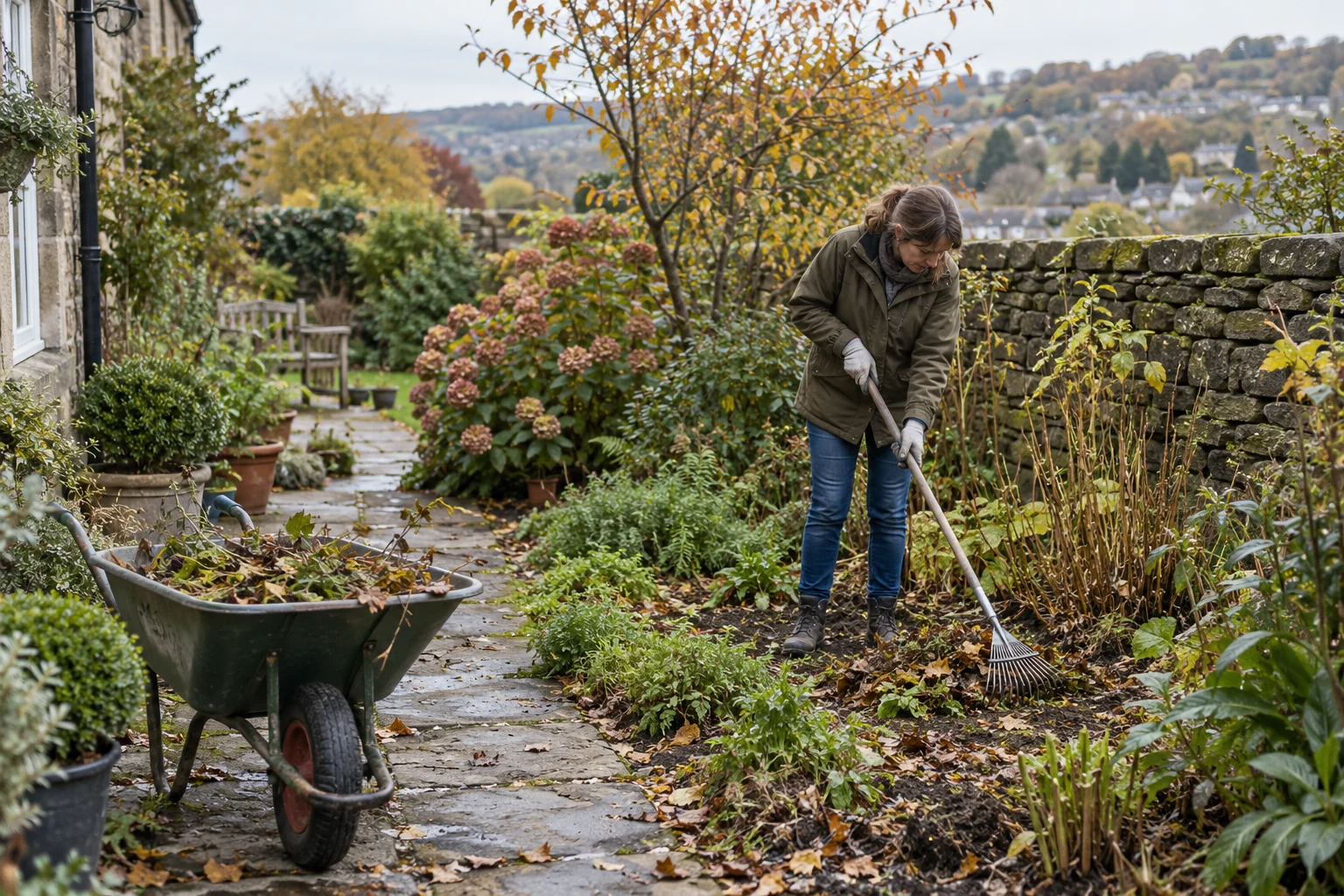
Turning a messy garden into a peaceful retreat starts with one approach: take it step by step. They look over their yard, spotting healthy plants and those to remove or replace, while imagining the desired space. Equipped with gloves and shears, they tackle overgrown areas carefully, marking challenging spots for later to avoid surprises during maintenance. By breaking tasks into 15-minute sessions and celebrating small wins, they improve their garden’s appearance and build a stronger bond with nature, making every clean-up satisfying and enjoyable.
Assessing Your Garden for Tidy-up
As you tidy your garden, walk around your outdoor space. Examine the plants and structures, identify what is thriving and what needs replacement or removal. Visualize how you want the area to look; this vision will guide your decisions on which plants to keep or discard. If you encounter thick growth, gently push aside stubborn underbrush to uncover hidden obstacles like broken branches or trash that could hinder your work. Mark these spots for later to avoid surprises when mowing or trimming.
Pruning Trees and Shrubs
Check for trees and shrubs that need pruning; consider whether careful cuts could allow more light for nearby beds and enhance the overall appearance before you begin shaping them. Remember, tackling one small task at a time makes the process less overwhelming, a focused effort of just 15 minutes can lead to noticeable progress!
Clearing Rubbish and Overgrowth
Start your clean-up by examining the garden. Walk around slowly to assess each area. Notice which plants are thriving and which seem unhealthy or out of place. Consider your vision for this space; a clear idea will help you decide what to keep and remove. In areas with thick growth, use a sturdy stick to push aside stubborn underbrush, this can reveal hidden trip hazards like broken branches or trash. Mark these spots to avoid surprises when mowing or trimming.
Focus on Trees and Shrubs
Take a close look at trees and shrubs; careful pruning can let more light into flower beds while improving overall appearance before you start shaping them up.
Break it Down
Remember: breaking tasks into smaller pieces makes everything easier, a quick 15-minute session here and there really adds up!
The Pros & Cons of Garden Revitalization Efforts
Pros
-
A well-organized clean-up improves the look and layout of your garden.
-
Clearing away debris makes it easier to handle future tasks. As you remove clippings, leaves and old stems, separating reusable material from waste makes the tidy-up easier; the guide to sorting garden waste explains the choices.
-
Trimming and shaping plants allows for better light exposure and boosts their health.
-
Keeping up with regular maintenance avoids the hassle of big clean-ups later on.
-
Applying mulch helps cut down on weeding and watering, which benefits plant health.
Cons
-
Getting started might take a lot of time and hard work.
-
You could face legal issues if you disturb wildlife during nesting seasons.
-
Some plants need regular care, which can increase maintenance tasks.
-
Expenses can add up when buying tools, materials, or hiring help.
-
The process might temporarily upset the garden's ecosystem.
Pruning Trees and Shrubs
Once you’ve cleared the debris and overgrowth, focus on pruning your trees and shrubs. Examine each plant closely, remove any broken or dead branches near the trunk immediately. For larger plants, consider thinning their leaves or shaping them for a more attractive form. For smaller unwanted shrubs, cut them back close to the ground before removing their roots.
If you notice any plants sending out suckers, like brambles or ornamental cherry trees, dig these up instead of just cutting them back; this will help prevent further spread in your garden. Using tools effectively is important: hedge trimmers can help you prune hedges quickly while ensuring clean cuts. Pruning not only improves appearance but also increases light access for nearby plants.
Always prioritize safety when using equipment like chainsaws, wear protective gear and familiarize yourself with proper techniques beforehand. Care during this stage revitalizes your garden and lays the groundwork for future growth as you continue defining areas within your outdoor space.
Defining Lawns, Beds, and Borders
Creating clear definitions for lawns, beds, and borders can transform your garden from a wild space into an organized sanctuary. Start by deciding where to draw the lines. Use a spade to outline the edges of your lawn; this task can clarify your area. Consider adding permanent boundaries like bricks or paving stones that separate different spaces and simplify maintenance, no more tricky trimming around uneven curves.
As you shape these areas, think about their seasonal function. Keeping grass longer in autumn is helpful; mow with blades set slightly higher than normal before winter to strengthen it against cold weather. Regularly redefining those edges is important too, a quick cut now and then keeps everything looking neat without overwhelming routine care.
Enhancing Your Garden
Once you’ve created distinct zones, look for ways to improve them further by choosing plants suited to each area’s light and moisture levels. Adding hardy perennials or ground cover plants beautifies your garden while reducing ongoing work since they naturally suppress weeds as they grow! Each choice helps create an inviting atmosphere, a personal retreat that balances structure with natural charm.
Essential Tools for a Garden Refresh
| Task | Description | Tools Needed | Frequency | Additional Notes |
|---|---|---|---|---|
| Assess the Garden | Walk around to evaluate plants, decide what to keep or remove, and plan the desired outcome. | None | As needed | Mark hazards clearly before starting work. |
| Clear Rubbish and Weeds | Remove debris, long grass, weeds, and overgrowth systematically. | Basket, bin bag, wheelbarrow | Weekly | Weeding is easier if done regularly rather than in bulk. |
| Prune and Shape Trees and Shrubs | Remove broken branches, prune larger plants, and shape hedges using appropriate tools. | Hedge trimmer, pruner, spade | Annually (or as needed) | Check for active nests before trimming during nesting season. |
| Create Clear Beds, Borders, and Edges | Define areas by marking edges and establishing borders; mulch can help prevent weeds. | Spade, edging tool | Seasonally | Simplifying lawn shapes reduces maintenance effort. |
| Replant and Maintain the Garden | Divide large shrubs, fill gaps with new plants, and choose low-maintenance varieties suited to conditions. | Spade, fork | As needed | Hardy shrubs and evergreens require less attention. |
| Mulching and Seasonal Care | Apply mulch to suppress weeds, retain moisture, and tidy up the garden; perform seasonal tasks like leaf clearance. | Mulch material | Seasonal | Leaves can smother grass if left on lawns. |
| Routine Upkeep | Regular mowing, weeding, pruning, and cleaning to maintain garden health and appearance. | Lawn mower, rake | Weekly | Prevents buildup of tasks and keeps the garden manageable. |
| Accept Some Wildness | Embrace natural variation and imperfections; allow some areas to grow freely to reduce maintenance needs. | None | Ongoing | A more relaxed approach can enhance garden aesthetics. |
Choosing Low-maintenance Plants
As you consider plants for your garden, choose low-maintenance varieties that suit your environment. Look for hardy perennials or strong evergreens that thrive and enhance the overall appearance without constant care. Sedges and hellebores remain green year-round and drop fewer leaves than deciduous plants in winter.
When planning what to plant, consider each plant’s sunlight needs and soil type, this will help them thrive in suitable conditions. Don’t overlook ground cover species; these resilient plants can block weeds while providing a green layer on the ground.
You’ll find larger pots easier to handle than many small ones since smaller pots dry out quickly and require more frequent watering. By making smart choices now, you set yourself up for success later, a thoughtful selection means less maintenance so you can enjoy your garden more!
Autumn Garden Tidy-up Strategies
As autumn approaches, prepare your garden for winter. Start by picking up fallen leaves and debris to protect your plants from diseases that thrive in decaying matter. Clear out dead or dying foliage from perennials; while some seedheads provide food for birds, removing excess growth keeps everything neat and encourages healthier regrowth in spring. Check areas needing attention: do you have beds overflowing with weeds? Now is the time to pull them out at their roots to prevent bigger problems later.
Mulching
consider mulching cleared spaces with organic materials like bark chips or compost to suppress weed growth and retain soil moisture during colder months. For vegetable plots, clear spent crops before frost sets in, chop down annuals like beans and peas at ground level, leaving their nitrogen-rich roots intact to prepare the bed for next season’s planting without inviting pests.
Cleaning Structures
assess any structures in your space: clean bird boxes and baths now so they’re ready for birds seeking shelter when it gets chilly. As you tackle these tasks over several sessions, or make a fun day of it with family, you create an environment that thrives year after year.
Garden Myths and Facts Unveiled Today
-
Many gardeners think pruning should be the same on every branch, but experts recommend cutting whole branches back to the trunk or originating branch. This technique prevents thin, spindly “brush growth” at the cuts the following year.
-
A common myth is that you can cut weeds down without dealing with their roots. Effective weed removal means digging out the root ball so they don’t grow back, especially for tough stems.
-
People often believe a garden cleanup can happen all at once; yet, breaking it into smaller tasks makes it easier. Working for short bursts, like 15 minutes, helps you focus better and reduces strain on your joints.
-
Some assume that after clearing a garden, no further maintenance is needed. Regular care like mowing, weeding, and annual pruning is crucial to avoid needing another major cleanup later.
-
There’s a belief that mulching only looks good in a garden, but it has several important functions. Mulch helps prevent weeds, slows down water evaporation from soil, and improves the garden's appearance by covering bare spots between plants.
Essential Tools and Safety Gear
When ready to tidy up, having the right tools and safety gear is key. Start with essentials: sturdy gloves protect your hands from thorns and rough materials; a good pair of shears helps shape plants and clear debris effectively. A rake assists in gathering leaves or cuttings for easier disposal. For larger overgrowth or heavy branches, consider investing in power tools like hedge trimmers or chainsaws, but always prioritize safety! Equip yourself with protective eyewear, ear protection for loud machines, and durable footwear.
Familiarize Yourself with Tools
Before using machinery, read each tool’s manual; knowing how they operate boosts efficiency and prevents accidents. Be careful when pruning trees, ensure that cutting doesn’t disturb nesting birds, as legal protections are active during certain seasons under the Wildlife and Countryside Act of 1981. By preparing thoughtfully for your tasks and potential hazards, you’ll create an environment where garden tidying feels less intimidating, and more enjoyable!
Building a Sustainable Maintenance Routine
Creating a sustainable maintenance routine is key to keeping your garden looking great without feeling overwhelmed. Start by planning regular tasks that fit your schedule, like weeding, pruning, and mowing, there’s no need to do everything at once! Instead of waiting for the garden to get out of control, spend just 15 minutes on small jobs; this makes each session feel easy and rewarding. After it rains or during mild weather in spring or autumn are ideal times for weeding when the soil is moist.
Maintenance Tips
Keep pathways clear by regularly removing debris from corners and ensuring drains stay unclogged; simple upkeep prevents bigger messes later. Also, consider letting some areas grow longer, it supports local wildlife and adds character, a mix of cultivated beauty and nature’s charm enhances your outdoor space sustainably!
FAQ
What should I do first when planning a garden tidy-up?
Begin your garden tidy-up by assessing which plants and items to keep, relocate, or discard.
How can I effectively clear rubbish and overgrowth from my garden?
To clear rubbish and overgrowth from your garden, remove debris with a basket or wheelbarrow, then mow the lawn and trim back overgrown plants.
What are the best practices for pruning trees, shrubs, and hedges?
Pruning trees, shrubs, and hedges involves cutting broken branches, trimming unwanted bushes, and thinning crowns to improve light access and prevent weak growth; check for active nests from March to August.
How do I define beds, borders, and lawn edges in my garden?
Mark the areas for defined beds, borders, and lawn edges, then use a spade to cut along those lines for a neat structure.
What types of plants should I consider for low-maintenance gardening?
For easy gardening, use tough shrubs and evergreens like sedges and hellebores, which require less care and look good year-round, along with groundcover plants to suppress weeds.
How can I maintain my garden regularly without expecting perfection?
Embrace natural plant growth variations while maintaining essential tasks like mowing, weeding, and pruning to care for your garden without the stress of perfection.