
How to Sort and Dispose of Garden Waste
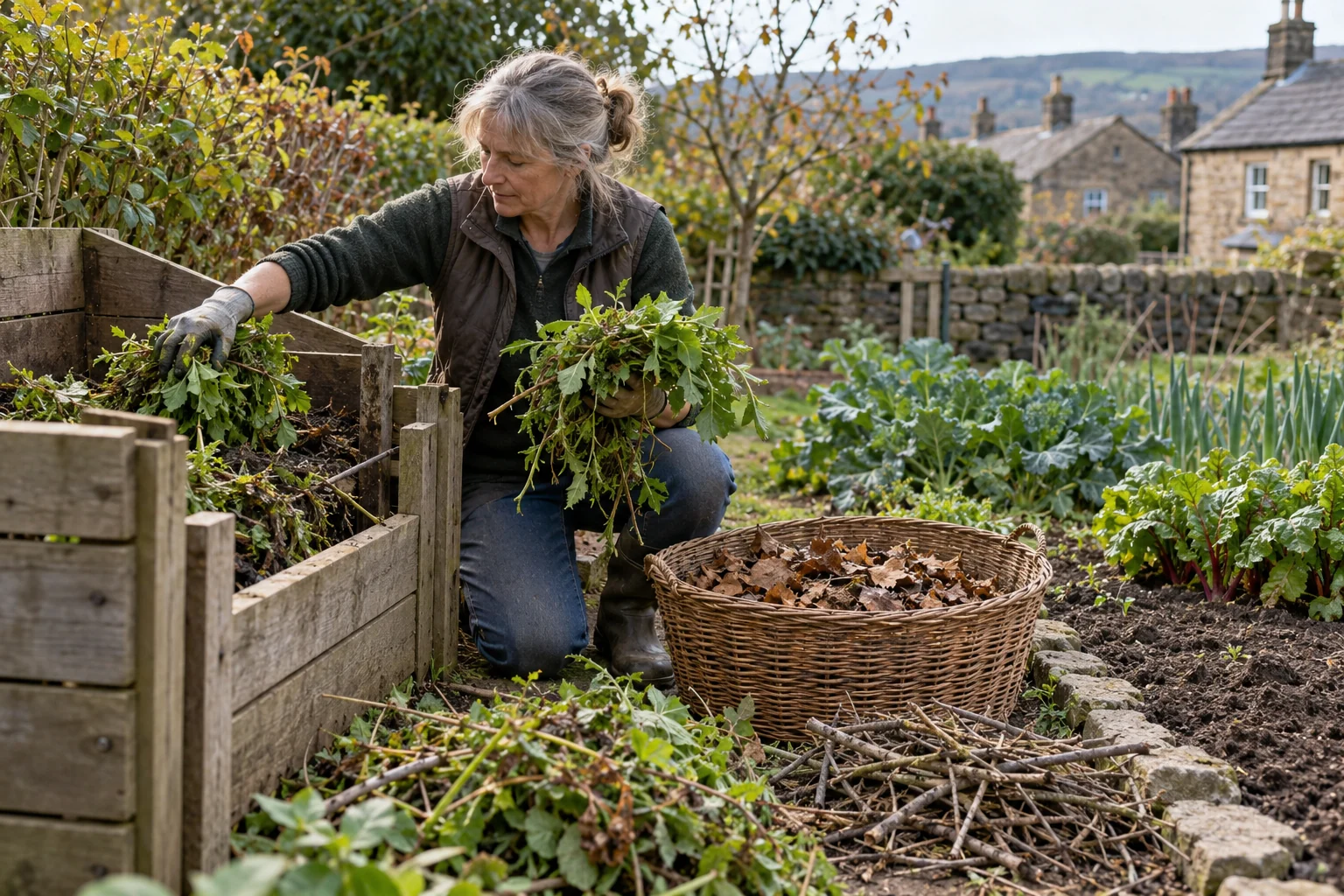
Sorting and disposing of garden waste properly is important for the environment and your garden. Gardeners typically divide their waste into three categories: green waste, which includes plant clippings and grass cuttings that can be composted; brown waste, made up of dried leaves and twigs that add carbon to compost; and non-compostable materials like plastic pots or diseased plants that need disposal at designated facilities. By sorting these materials, gardeners simplify disposal while improving soil health and supporting environmental sustainability. After cutting woody growth, clean and dry the secateurs and shears before storing them so sap and moisture do not linger.
Identifying and Separating Garden Waste
To manage garden waste efficiently, start by identifying the types of materials. Green waste includes fresh plant cuttings, grass clippings, and soft plant material that breaks down quickly. Keep this separate from woody debris like small branches or larger stems, which take longer to decompose. Some items shouldn’t go into compost; for instance, plastic containers or diseased plants require special handling and should be disposed of at designated facilities.
By sorting your materials, you’ll simplify disposal, support your garden’s health, and help the environment.
Garden Waste Management Tips
1. **Identify Materials**: Recognize green waste versus woody debris.
2. **Separate Items**: Keep non-compostable materials apart.
3. **Dispose Properly**: Use designated facilities for specific items.
4. **Streamline Process**: Sorting helps with efficient disposal.
By following these steps, you’ll enhance your gardening experience and contribute positively to our shared ecosystem.
Home Composting Techniques
Home composting converts garden waste into useful soil amendments. It transforms kitchen scraps and green waste, like grass clippings, leaves, and small plant trimmings, into nutrient-rich compost that improves the earth. To start, find a spot in your yard or garden with good airflow to speed up decomposition. Many councils offer simple compost bins at subsidized rates; check if yours has one priced around £5–£10.
Mixing Your Compost Pile
When building your pile, mix moist materials like fresh cuttings with dry items like dead leaves or cardboard to maintain balance, a ratio of about three parts carbon (dry) to one part nitrogen (wet) works well. After three to six months, this organic matter will break down into dark brown compost ready for use in flower beds or vegetable gardens.
Maintaining Moisture Levels
Monitor moisture levels; if it feels too dry, sprinkle water onto the pile while turning it every few weeks. This aerates and speeds up breakdown. Avoid adding large woody branches or non-organic materials, as these disrupt decomposition. By using home composting techniques tailored to what you produce in your garden, you progress toward sustainability right from your backyard!
The Pros & Cons of Garden Waste Disposal Options
Pros
-
Home composting is an affordable way to turn your organic waste into nutrient-rich compost. You can often find bins for £5–£10 through local councils.
-
Council garden-waste collections are a handy choice for regular disposal of waste. They usually cost between £30–£80 per year and provide collections every two weeks.
-
Household waste recycling centres (HWRCs) let residents drop off garden waste at no cost, although some areas may require you to book in advance.
-
Paid removal services like skip hire or man-and-van collection give you flexibility and quick options for getting rid of larger or urgent loads.
Cons
-
Home composting takes time and isn't ideal for large amounts or non-organic materials, which can make it impractical for some users.
-
Council collection services differ by area, which might cause confusion about what materials are accepted and the fees involved; not every council provides this service.
-
HWRCs may set limits on how much waste you can bring in per visit, meaning you might need to make several trips if you've got a lot of waste.
-
Paid removal options can get pricey, with costs ranging from £60–£150 for skip bags and £70–£300 for man-and-van services.
Understanding Council Garden-waste Collections
Council garden-waste collection services provide a convenient way to manage green waste without composting at home. Many councils use a subscription model, allowing regular collection throughout the year. Prices vary by area, with annual fees typically ranging from £30 to £80 in the UK. Bristol Waste offers a service for £59 per year, collecting every two weeks except for one month over Christmas and New Year’s when they focus on discarded trees.
Guidelines
It’s essential to know what items are allowed in these collections based on local guidelines. Most councils accept grass cuttings and hedge trimmings but prohibit non-compostable materials like soil or plastics; placing those in your brown bin could lead to missed collections or extra charges if deemed unacceptable by collection crews. Always visit your council’s website for specific details about subscriptions and accepted waste types to ensure compliance while supporting local environmental efforts!
Using Household Waste Recycling Centres
Household waste recycling centres provide an option for disposing of garden waste environmentally. Often called “tips,” these locations allow residents to drop off various types of green waste at no cost in many areas. Bristol and Islington have sites where you can bring clippings and trimmings for free. It’s advisable to book a spot online in advance to keep the centres organized during busy hours. While small amounts of garden refuse can be managed with a few trips, saving on disposal fees, larger loads may require more planning due to time limits or travel costs associated with multiple visits.
Limits on Green Waste
Most centres have restrictions on how much green waste they will accept per visit, so it’s helpful to check their rules before going. If clearing large amounts from a landscaping job or seasonal cleanup, managing logistics is important; consider teaming up with neighbors or fellow gardeners who also need to dispose of organic materials at the same location. This reduces individual fuel use and fosters community connections focused on sustainable gardening practices.
Efficient Garden Waste Sorting Techniques
| Disposal Method | Description | Cost Range | Frequency/Details |
|---|---|---|---|
| Home Composting | Natural process turning green waste into compost or soil. | Low-cost (subsidized bins £5–£10) | Takes 3-6 months for usable compost. |
| Council Collection Services | Subscription service for garden waste collection, varies by area. | £30–£80 per year | Typically every two weeks; check local council rules. |
| Bristol Waste Garden-Waste Service | Offers subscription with collections every two weeks and a concessionary charge. | £59 per year; £28 concession | One-month pause over Christmas/New Year period. |
| Islington Council Garden-Waste | Subscription includes three bags per collection, can have up to three subscriptions per property. | £77.85 per year | Collections every two weeks after purchase. |
| Household Waste Recycling Centres | Free disposal of garden waste; booking may be required. | Free | Check local site for specific rules and restrictions. |
| Skip Hire | Paid option for large clearances; dedicated green-waste skips may be available at lower prices. | £25–£75 permit for public road placement; £60–£150 for skip bags | Standard hire period of 7–14 days. |
| Man-and-Van Rubbish Removal | Convenient option for quick removal; costs vary based on load type. | £70–£300 | Same-day collection may be available. |
Exploring Paid Removal Options
When dealing with garden waste, paid removal services can help. If your cleanup creates large piles of debris or you’re working on a big landscaping project, hiring a skip is often the most affordable option. You can choose from various sizes, some companies offer special green-waste skips at lower rates than standard ones. When you hire a skip, you’ll usually need to fill it within 7–14 days, so plan accordingly.
Skip Bags
If you want more flexibility, consider using skip bags, they arrive flat and let you fill them at your own pace before scheduling collection. Just note that heavier items like soil or large branches may not be suitable due to weight limits.
Man-and-van Services
Another convenient choice is man-and-van services, especially when time is tight; many providers offer same-day pickup for urgent disposal needs.
Before choosing a service provider, check that they have a valid waste carrier licence from the Environment Agency. This protects you and the environment from potential illegal dumping practices. For larger gardening projects or clear-outs, these paid options can simplify processes while promoting eco-friendly actions in our communities!
Dealing with Soil and Heavy Waste
Soil and heavy waste can complicate garden cleanup, but there are effective ways to manage them. Consider clean topsoil as a valuable resource; you can reuse it. Offer any extra soil on platforms like Facebook Marketplace or Freecycle, someone nearby may want it for their garden. If you prefer not to handle distribution, hire a dedicated soil skip.
Some companies charge lower rates for inert materials like soil since they require less processing than mixed loads.
Handling Larger Debris
When dealing with larger debris like branches or rubble, plan carefully because many disposal services have weight limits. It might be tempting to throw everything into one container during major clean-ups, but separating heavier items can save you from extra fees later if using paid removal options like skips or man-and-van services. Familiarize yourself with local regulations regarding acceptable material; this knowledge will help ensure smooth collection without delays or fines due to improperly sorted waste. By managing heavy materials responsibly, you’ll benefit your gardening projects and the environment.
Garden Waste: Facts and Myths Unveiled
-
Many residents think they can throw garden waste into their regular rubbish bins, but councils often don’t accept it. If you put garden waste in a black bin, it may be left uncollected.
-
People often assume all areas have the same rules for garden waste collection; yet, council services differ in fees, materials accepted, and collection schedules. Residents should check their local council's information for specifics.
-
Some believe composting isn't practical for urgent garden clean-ups, but it's an effective low-cost method for managing green waste by turning organic material into nutrient-rich compost.
-
There’s a belief that skips are always the best option for large amounts of garden waste; yet, some providers offer dedicated green-waste skips at potentially lower prices than standard ones. It pays to ask about available options.
-
Many people think all garden waste collected by local councils goes straight to landfills; yet, Bristol Waste reports that garden waste from its green bins is composted and turned into soil conditioner available for purchase at the Avonmouth Reuse Shop.
Safe and Legal Disposal Practices
It’s important to handle garden waste safely and legally, as improper disposal can result in fines or environmental harm. Understand which materials you can dispose of through local options, this helps avoid missed pickups or penalties. Most council services accept grass cuttings and hedge trimmings but usually do not allow soil, plastics, or diseased plants; take these items to designated recycling facilities.
If using a paid removal service like skip hire or man-and-van collection, verify that the operator has a valid waste carrier license from the Environment Agency; this ensures compliance with regulations preventing illegal dumping. Many councils have specific guidelines on the amount of green waste allowed for collection at one time, sticking to these limits supports smooth operations and community environmental efforts. By following these rules, you’ll protect yourself from potential issues and promote sustainable gardening practices!
Managing Leaves and Community Waste
Managing leaves is crucial for your garden waste strategy, especially in autumn when they multiply quickly. Instead of allowing them to accumulate, consider effective disposal methods that benefit both your garden and the community. Many councils offer leaf collection during fall; check with your local authority for schedules and guidelines on preparing leaves for pickup, usually in biodegradable bags or bins.
Composting Leaves
Consider composting some fallen leaves. Shredded dry leaves serve as brown matter in your compost bin, providing carbon that helps create nutrient-rich soil over time. If the volume is overwhelming or you lack a shredder, organizing communal cleanups with neighbors can ease individual burdens while fostering relationships within your gardening community.
Volunteer Opportunities
Many councils appreciate volunteer help in keeping parks and greenways tidy. If you have extra energy after your yard work, reach out about assisting with cleanup events nearby. This way, you contribute to managing larger volumes of leaves while improving local green spaces, a great opportunity for gardeners wanting to make an environmental impact.
Responsible Garden Waste Management
Responsible garden waste management is essential for sustainable gardening. Identify the types of materials in your garden, like green waste like grass clippings and hedge trimmings, which can be composted or picked up by council services. Separate these from non-compostable items like plastic pots or diseased plants that require disposal at recycling facilities. Sorting your waste simplifies disposal and helps maintain soil health and environmental integrity.
Utilizing Local Resources
Using local resources effectively is key to responsible waste management in your community. Check options like council collection services or household recycling centers for drop-off points where you can take acceptable materials at no cost, just read their guidelines first! For larger cleanouts or urgent removal needs, consider hiring licensed professional services that comply with regulations against illegal dumping. This builds trust within your neighborhood while ensuring eco-friendly methods are used throughout the management of garden waste, it benefits everyone involved!
FAQ
What are the different options for disposing of garden waste?
Garden waste can be disposed of through home composting, council collections, recycling centres, or paid services, depending on the waste type, amount, urgency, local rules, and costs.
How can I effectively sort my garden waste before choosing a disposal service?
To sort garden waste effectively, separate clean green waste, like grass cuttings and hedge trimmings, from soil, rubble, food scraps, and household trash to potentially lower removal costs.
What are the benefits of home composting, and what materials can I use?
Home composting is a cost-effective way to manage garden waste, turning organic materials into nutrient-rich compost in three to six months.
How do council garden-waste collections work, and what costs should I expect?
Council garden-waste collections are subscription-based, costing £30 to £80 annually, with collections every two weeks using specific containers; check local council websites for details.