
A Weekly Garden Maintenance Checklist
Key Takeaways
- Gardeners learn key seasonal tasks that help plants grow, like checking for pests daily and maintaining a regular watering schedule.
- This article emphasizes active weeding and lawn maintenance, offering tips to keep your yard looking good all season.
- Readers are invited to share their gardening stories, creating a network of plant lovers who support each other in learning.
Weekly Pest and Disease Checks
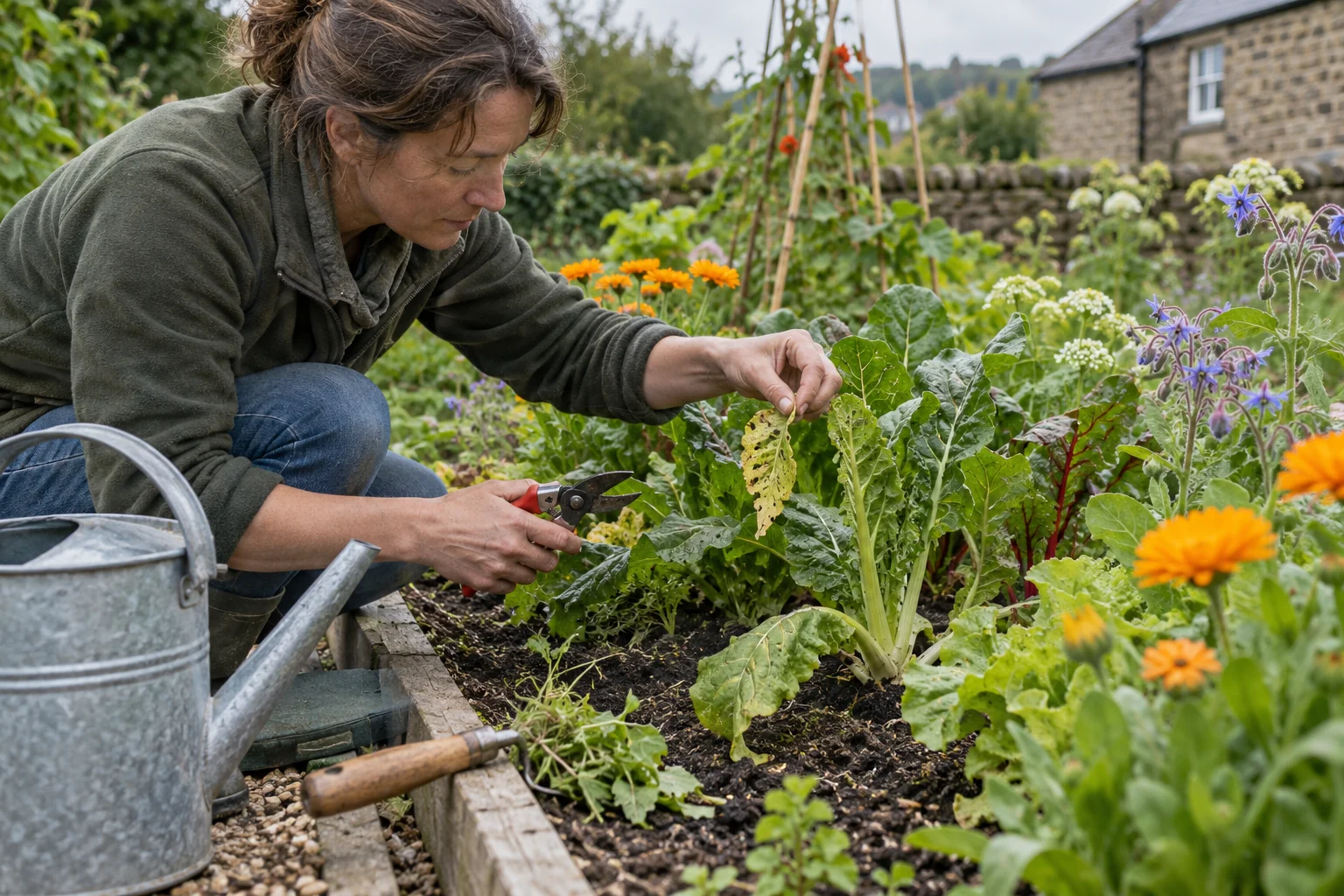
Frequent inspections for pests and diseases are essential for a healthy garden. Check your plants daily, especially in warmer months when pests are more active. Examine the leaves for unusual spots or signs of chewing. If you find diseased leaves, remove them immediately with clean pruners to prevent the spread.
Encourage beneficial insects by planting flowers that attract them; ladybugs and lacewings help control aphid populations. Keeping your garden tidy reduces hiding places for unwanted bugs.
Checks During Warm Weather
During warm weather, keep up the weekly checks for signs of pests, disease and water stress. Focus on the plants and conditions in your own garden, rather than assuming the same problems appear every July. The checklist is a starting point; the right interval depends on the garden, so compare it with the recommended maintenance frequency.
Watering and Soil Moisture Monitoring
Establishing a consistent watering routine is key to keeping plants healthy. Water them at least once a week, providing about an inch of moisture each time, including rainfall. Some types, like sensitive bedded flowers, may need daily watering during hot weather. Check soil moisture regularly to adjust based on current conditions and specific plant needs. Watering early in the morning reduces evaporation and disease risk while promoting strong root growth.
Smart Irrigation Options
Consider using a smart irrigation system like drip tape for long rows of vegetables; it delivers water deep into the soil without over-saturating the top layer. Be prepared to make adjustments based on local climate or recent weather events, stay flexible! Healthy roots are crucial for thriving plants; by managing their water needs, gardeners set themselves up for success year-round.
The Pros & Cons of Seasonal Garden Care
Pros
-
Regular seasonal care helps plants grow well and makes your garden look better.
-
Adjusting tasks based on local weather improves how you maintain your garden.
-
A clear month-by-month calendar keeps you organized and on schedule for planting and care.
-
Taking photos of your garden allows you to plan better and learn from previous gardening experiences.
Cons
-
Taking care of your garden each season needs a steady time commitment, which can be tough for some gardeners.
-
Changes in the weather can throw off your maintenance plans and put extra stress on your plants.
-
You might need specific tools and some knowledge about different plant types, which could make it harder for new gardeners to dive into seasonal care.
-
Checking regularly for pests and diseases takes effort and requires attention throughout the growing season.
Weeding During Growing Season
Weeding requires attention, especially during the growing season. As plants grow and warm weather arrives, weeds can quickly become a problem for gardeners if not addressed. Set aside time each week to tackle weeding, it’s easier to pull younger weeds before they develop deep roots. In April and May, remove them by hand while they’re still small; this proactive approach will save hours later. If pressed for time or resources, use a hoe to disrupt weed growth without uprooting every single one.
Consistency is Key
Regular maintenance helps stop invaders from taking over garden beds. Watch for signs of distress among your plants, they often indicate competition from nearby weeds. By keeping organized with weekly checks and maintaining tidiness in flowerbeds and vegetable patches, you create healthy gardens while enjoying peace of mind throughout the busy growing months ahead.
Lawn Mowing Frequency by Season
As the seasons shift, so does how often you need to mow your lawn. During the growing season from March to October, grass requires mowing at least every two weeks. If it rains frequently, growth speeds up, and you might have to mow weekly. In contrast, when autumn arrives and temperatures drop in late fall or winter, mowing once a month is usually enough to keep your yard tidy.
Grass Types Matter
Different grasses have specific needs based on local climate and soil type. Cutting too much grass at once can stress it, aim for trimming about one-third of its height. By paying attention throughout each season’s maintenance routine, you will cultivate healthy lawns that enhance your gardening efforts.
Essential Tasks for Thriving Gardens Weekly
| Task | Frequency | Notes | Additional Recommendations |
|---|---|---|---|
| Pest and Disease Inspection | Daily | Regular checks help identify problems early; remove diseased leaves promptly. | Encourage beneficial insects and maintain cleanliness. |
| Weeding | Weekly (growing season) | At least once a month during the rest of the year; younger weeds are easier to remove. | Regular hoeing can disrupt weed growth when time is limited. |
| Watering | Weekly | Aim for one inch of water per week, including rainfall; adjust based on plant needs and soil moisture. | Early morning watering reduces evaporation and prevents diseases. |
| Lawn Mowing | Monthly (off-season) | At least once every two weeks during the primary growing season (March to October). | Increase mowing frequency during wet periods; decrease during dry ones. |
| Lawn Aeration and Fertilizing | At least once per year | Ideally performed in spring or autumn; timing may vary with soil type and foot traffic. | |
| Pruning Shrubs and Hedges | 1-3 times per year | Avoid pruning between March and August; timing varies by flowering type. | Informal hedges trimmed once a year; formal hedges twice. |
| Mulching | Once per year | Apply in spring or autumn to improve soil health and suppress weeds. |
Pruning Shrubs and Hedges
Pruning shrubs and hedges enhances your garden’s appearance and supports healthy growth. Depending on the variety, pruning may be necessary once to three times a year. Informal hedges typically need one annual trim, while formal hedges require two trims each year to maintain their shape. Timing is crucial: avoid pruning from March to August when birds are nesting. For flowering shrubs, adjust cuts based on their blooming period, spring-flowering types should be pruned after blooming, while summer bloomers benefit from cuts in winter or early spring before new growth begins.
When using pruners, start by removing dead or damaged branches to encourage new growth and improve air circulation. Selective trimming allows more light to reach the plant’s interior, boosting overall health. Proper maintenance extends plant life and increases blossom production for future seasons, a result every gardener appreciates as blooms enhance outdoor spaces during warmer months. Regularly step back while working to see how each cut contributes to creating a lush green oasis at home.
Seasonal Maintenance Calendar Overview
With the seasons changing, a well-organized maintenance calendar is essential for a successful garden. Each month has tasks that match nature’s rhythm. In January, focus on planning, sketch ideas for your garden layout and reflect on last year’s successes and challenges. In February, start seeds indoors and check irrigation systems; it’s an exciting step toward spring.
By March, when ground conditions allow, clear winter debris and prepare garden beds for planting carrots and onions. April brings busy days caring for seedlings while controlling weeds, you’ll want to stay ahead of them! Plan planting around local frost risk and the needs of each crop.
The summer months require steady attention: during June’s growth spurt, follow proper watering schedules and remain alert against pests that multiply with rising temperatures. July demands more diligence; daily checks are essential to spot issues early amid heat waves affecting tender plants.
As summer transitions into autumn from September through November, shift your focus to harvesting while preparing plants and tools for winter protection, cleaning up fallen leaves tidies things and helps maintain healthy soil. Wrapping things up in December provides quiet reflection time before gearing up for next season; assess what worked well or what changes could improve future gardening efforts.
This cyclical approach maximizes every gardening opportunity throughout the year, a journey shaped by seasonal rhythms that keep green spaces thriving alongside nature.
Unveiling Secrets of Garden Care Rituals
-
Many gardeners think they only need to check their plants for pests and diseases once a week, but daily inspections can catch problems early.
-
A common myth is that you can handle weeds without much effort; yet, during the growing season, it's important to weed regularly, about once a week, to keep them in check.
-
Some believe watering gardens can happen at any time of day, but early morning is the best time to water as it cuts down on evaporation and helps roots grow strong.
-
The idea that grass only needs mowing once a month isn’t accurate; from March through October, you should mow at least every two weeks.
-
People often think mulching isn't necessary; yet, putting down mulch once a year can enhance soil health, help retain moisture, and reduce weed growth.
Lawn Fertilising and Aerating Basics
Fertilizing your lawn is essential for a healthy, green growing season. Fertilize at least once a year, preferably in spring or autumn when grass growth increases. This provides nutrients that strengthen roots and enhance resistance to pests and diseases. If unsure which fertilizer suits your grass or soil, consider a soil test to identify the right mix of nitrogen, phosphorus, and potassium.
Aerating Your Lawn
Aerating your lawn complements fertilization by reducing soil compaction and improving water absorption. Aim to aerate once a year; this process creates holes that allow air to reach grassroots more effectively, enhancing their health. Choose a suitable time for your lawn and current soil conditions. Incorporating these practices into your maintenance schedule will promote both immediate improvements and long-term success in your gardening efforts.
Mulching and Soil Health Tips
Mulching is a practice that improves gardens and offers various benefits. Applying mulch in spring or fall helps retain soil moisture, reduces weeds, and enhances soil health by managing temperature changes. Refreshing mulched areas each year boosts the garden’s appearance and supports beneficial microbes, benefiting plant roots. When selecting mulch, like wood chips or straw, consider how it complements your plants’ needs throughout the seasons.
Assessing Soil Condition
Regularly checking your garden’s soil condition leads to noticeable improvements in growth and sustainability. Testing soil annually can reveal nutrient deficiencies that hinder healthy development; therefore, adding compost is important for enriching the soil beneath your plants. This addition encourages microbial activity necessary for breaking down organic matter while boosting water retention. Alongside proper mulching methods, these practices create a solid foundation for both new and experienced gardeners to cultivate thriving green spaces.
Crop Rotation and Compost Practices
Crop rotation is a key practice that creates a healthier garden ecosystem and boosts soil health. By changing where you plant crops each season, you can reduce pests and diseases that may persist in the soil when certain plants are grown repeatedly. Group similar plant families together: legumes fix nitrogen, making them good partners for leafy greens or root vegetables during their next cycle. This approach keeps nutrient levels balanced and prevents depletion from planting the same crops repeatedly.
Composting
Adding compost to your gardening routine enhances the soil by providing essential nutrients that support strong growth throughout different seasons. Add compost at least once a year. It serves as both fertilizer and mulch, helping with moisture retention while promoting beneficial microorganisms needed for breaking down organic matter. Pay attention to how your plants respond over time, do they thrive more? Make adjustments based on your observations!
Record Keeping
As you plan your crop rotations and compost additions this week, keep track of what works best in your unique garden setup; documenting successes will help guide future decisions! Embrace these practices as part of nurturing not just individual plants but an entire thriving ecosystem within your green space, a rewarding journey awaits as you cultivate abundance all year long!
Your Weekly Garden Journey
As you start your weekly gardening routine, remember that regular care leads to thriving gardens. Each week offers a chance to connect with your plants and assess their needs. Observe how they respond to weather changes and your care. This hands-on approach builds your confidence as a gardener and enhances the ecosystem you are creating.
Tracking these experiences creates a valuable resource for future seasons. Note which pests appear most frequently and how certain crops perform under specific conditions; these notes will guide you later. Take photos each week to capture growth patterns over time that might be overlooked during busy days. By dedicating just a few minutes each week to this practice, you will nurture vibrant plants and enrich your gardening journey, essential to every gardener’s experience!
FAQ
What are the key tasks I should focus on during each month of the gardening year?
In January, plan your garden layout; February is for soil preparation and starting seeds indoors; March involves clearing debris and testing soil; April focuses on preparing beds and weed control; May requires maintaining raised beds and seasonal planting; June emphasizes consistent irrigation; July needs daily pest checks and autumn planning; August is for refreshing the garden and planting cool-season seeds; September centers on harvesting and winter preparations; October involves protecting plants from frost and planting spring bulbs; November shifts to winter prep and indoor projects; December is quieter for cleaning up and monitoring overwintering plants.
How often should I inspect my plants for pests and diseases?
Inspect your plants daily for pests and diseases to spot issues sooner and simplify treatment.
What is the recommended frequency for weeding throughout the year?
We recommend weeding weekly during the growing season and monthly for the rest of the year.
How can I determine how much water my garden needs each week?
Monitor soil moisture, rainfall, and plant needs to provide about one inch of water weekly, including any rainfall.
When is the best time to prune shrubs and hedges in my garden?
Prune shrubs and hedges one to three times a year, avoiding the bird-nesting season from March to August.
What benefits does mulching provide, and when should I apply it?
Mulching enhances soil health, retains moisture, controls weeds, and manages temperature; apply it once a year in spring or fall to address thin areas or bare spots.