
Why Now is the Time to Create a Low-maintenance Garden
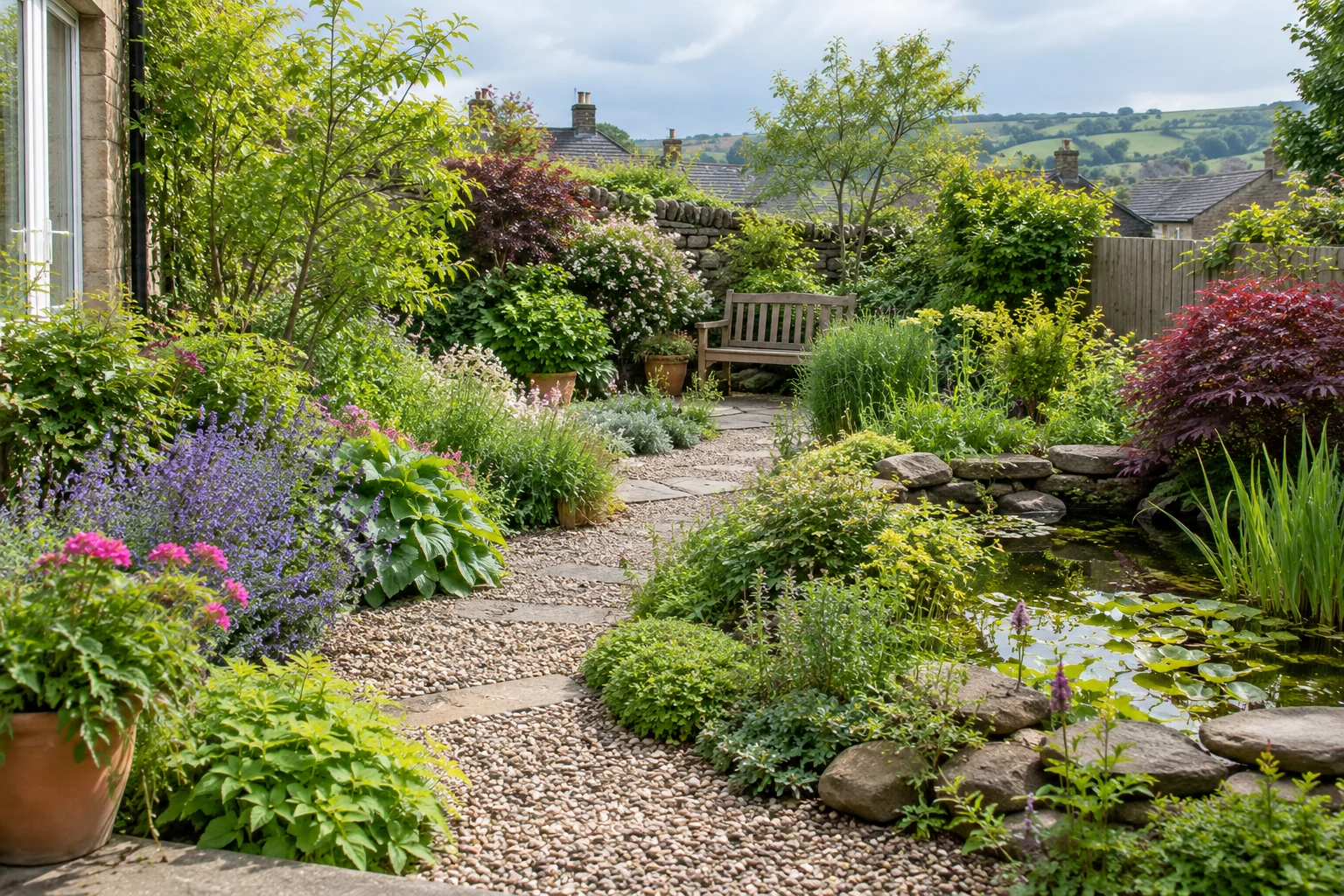
In today’s fast-paced world, a low-maintenance garden is essential. Many people want to enjoy nature while balancing work and personal life, making it crucial to create an outdoor space that thrives with little effort. By using new methods and eco-friendly practices, gardeners can turn their yards into retreats that need less care, allowing them to appreciate the beauty around them without constant upkeep. Now is a great time to focus on simplicity in gardening because it improves well-being and strengthens our connection with the environment.
Planning Your Low-maintenance Garden
Visualize how your garden fits into your life. What do you want to accomplish? Are you seeking a peaceful retreat or a lively area for gatherings? Knowing your goals is essential for creating an effective, low-maintenance landscape. Consider how much time you can dedicate; this will influence plant choices and layout. If growing vegetables brings you joy, maintain that space but simplify others with stone paths or perennial borders that require less care. Place high-maintenance features near your home to reduce effort while enhancing enjoyment. Remember, not all beautiful options demand extensive work, sometimes it’s about making smart choices that blend aesthetics with practicality!
Lawn Alternatives for Less Work
Lawn care can feel like an endless task, taking up weekends and cutting into relaxation or family time. To reclaim that time while enjoying a nice outdoor space, consider replacing traditional grass with sustainable options. Choices like gravel pathways, permeable pavers, or ornamental ground covers allow for beautiful landscapes without regular mowing.
One option is to swap parts of your lawn for tough plants that thrive in your area, like sedums or creeping thyme. These hardy varieties add texture and color and require little water once established. For areas where kids play, consider artificial grass; it looks neat without the maintenance demands of natural lawns, it’s soft underfoot and doesn’t need mowing or fertilizing.
More Tips
Also, consider changing the layout to simplify future upkeep: larger borders filled with various plants mean less lawn to maintain while providing habitats for pollinators and other wildlife. By choosing features that fit your lifestyle, decorative stones mixed with low-maintenance shrubs or wide paths for walking, you can create a welcoming outdoor environment without turning gardening into another chore!
The Pros & Cons of Low-Maintenance Gardening
Pros
-
Cuts down on routine gardening tasks, making it easier for those with busy schedules to keep up.
-
Lets you keep your favorite garden features while simplifying other areas.
-
Promotes using plants that thrive in local soil and conditions, which reduces the need for watering and replacements.
-
Applies methods like mulching and “no dig” gardening to lessen weeding and disturbance of the soil.
-
Enhances family life by adding play spaces and easy access storage for tools.
-
Embraces natural imperfections, encouraging a more laid-back view of garden aesthetics.
Cons
-
Starting with solid planning and design is essential to successfully achieve low-maintenance goals.
-
Choosing only hardy or evergreen plants may restrict the variety you can include in your garden.
-
Some features, such as ponds or decking, will still need regular upkeep even if they are designed for easier maintenance.
-
Shifting from a high-maintenance setup to a low-maintenance one might involve costs related to redesigning current spaces.
-
Relying on technology (like automatic irrigation systems) won’t completely remove all maintenance needs.
-
If not monitored closely, the idea of having a low-maintenance garden could lead to neglect.
Selecting Hardy, Low-maintenance Plants
When starting your low-maintenance gardening journey, choose the right plants for your space. Hardy species can transform a garden into a vibrant retreat with minimal effort. Select varieties that thrive in your landscape’s specific conditions, sunny spots or shaded areas. Lavender prefers dry soil and plenty of sunshine; once established, it requires little care beyond occasional pruning. Use resources like the RHS online plant selector to find options suited to your garden’s environment.
Embrace Shrubs
Make shrubs foundational elements, they last longer and need less frequent replacement than annual flowers. Evergreens like hellebores provide year-round appeal while reducing leaf litter cleanup during fall when deciduous plants drop their leaves.
Groundcover Plants
Groundcover plants serve as living mulch by suppressing weeds while adding visual interest through various textures and colors across seasons, creating depth without constant attention.
As you build this collection of hardy plants, prioritize practicality: choose larger groupings instead of scattered specimens to create striking displays that require fewer interventions over time. Consider incorporating combinations recognized by the RHS Recommended Award of Garden Merit label; these selections perform well in typical conditions, allowing you more time to enjoy your outdoor sanctuary!
Effective Mulching and Weeding Techniques
To build a low-maintenance garden, mulching and weeding techniques are key. Apply a thick layer of mulch, about 5cm (2 inches), in late autumn or winter. This suppresses weeds and retains moisture in the soil during warmer months. Use materials like bark chippings, gravel, or compost; each improves your garden’s appearance. Plant through weed-suppressing membranes before adding mulch over shrub beds to reduce weeding efforts; established plants will need less water and care.
To tackle stubborn weeds that sprout, act early: periodically hoe off seedlings as they appear instead of allowing them to settle. Consider using no-dig gardening methods with organic mulches to enhance soil structure without disturbance, this prevents compaction and supports beneficial organisms below ground.
Watering Made Easy
Position water sources near frequently used areas like greenhouses or potting benches along with automated irrigation systems designed for pots and planters; this can turn watering from a chore into an easy routine. A well-organized system saves time and ensures every plant receives adequate hydration during dry spells, a win-win! By refining these maintenance practices through smart design choices like opting for larger shrubs over herbaceous perennials or consolidating borders filled with hardy groundcovers, you can enjoy nature’s beauty without overwhelming responsibilities.
Effortless Beauty: Your Garden Awaits!
| Feature/Plant Type | Description | Maintenance Level | Additional Notes |
|---|---|---|---|
| Hardy Shrubs | Long-lived, do not require annual replacement, provide year-round interest | Low | Examples include hardy evergreens like sedges and hellebores |
| Mulch | Layer of material applied to soil surface to reduce weeds and water loss | Low | Recommended thickness is at least 5cm (2in) |
| Automatic Irrigation System | Reduces manual watering tasks, ideal for pots and planters | Low | Can be set up near greenhouses or high-use areas |
| Weed-Suppressing Membrane | Used in shrub beds to minimize weed growth and reduce maintenance | Low | Works best when covered with an attractive mulch |
| Permeable Paving | Alternative to grass that reduces mowing frequency | Low | Options include gravel and decked areas |
| RHS Recommended: Award of Garden Merit | Certification indicating a good variety likely to thrive in ordinary garden conditions | Moderate | Applies to trees, shrubs, fruits, flowers, and vegetables |
| Simple Lawn Shapes | Keeping lawn shapes simple, such as rectangles, makes mowing easier | Moderate | Encourages larger lawn areas for reduced upkeep |
Automating Your Watering System
Designing your watering system starts with understanding how it fits into your garden vision. Are you aiming for lush greenery, vibrant flowers, or a mix? This knowledge helps in selecting the best irrigation methods that align with your goals and lifestyle. If you have pots on your patio or balcony, consider drip irrigation. This method provides each plant with adequate water without constant attention, making it efficient and reducing waste.
Strategically Placing Hoses and Sprinklers
Place hoses or sprinklers strategically to minimize movement while ensuring complete coverage. Automatic timers are beneficial; they allow scheduling watering during cooler times when evaporation is lower, ensuring every drop counts. Using technology enhances gardening without disconnecting from nature, enabling a thriving space without routine burdens.
Hydrozone Your Plants
Grouping plants with similar water needs together, a practice known as hydrozoning, simplifies management. This approach saves water and promotes healthier growth among species sharing an ideal environment. Successful low-maintenance gardening relies on thoughtful planning from the start, creating an experience that supports both plants and people while keeping maintenance manageable throughout all seasons.
Designing a Family-friendly Garden
Begin by imagining how your garden fits into your life. What do you want to achieve? Are you looking for a peaceful spot to unwind, or a lively area for family gatherings? Identifying these priorities shapes an effective, low-maintenance landscape. Consider the time you can dedicate; this will influence your plant choices and arrangements. If you enjoy growing vegetables, maintain that section but simplify others with stone paths or perennial borders that require less care. Place high-maintenance features close to your home to reduce work while enhancing enjoyment. Remember, beautiful options don’t always require extensive upkeep, smart choices can blend aesthetics with practicality.
Designated Spaces
As you move ahead, consider creating specific areas in your garden for family activities; this might include play zones for kids to enjoy safely or seating arrangements for evening hangouts under soft lights. Using durable materials like composite decking creates inviting spaces without the regular maintenance traditional wood requires.
Plant Selection
When choosing plants, select varieties known to be tough and low-maintenance once established; consider using native species that thrive in local conditions while benefiting wildlife, this supports biodiversity even in smaller spaces! Ground cover options like creeping thyme can suppress weeds while adding seasonal texture, a solid choice.
Integrating Features
remain open-minded when adding features to your outdoor plan; whether it’s a simple fire pit made from natural stone or ornamental grasses along pathways, you can create visual appeal without overwhelming maintenance commitments. By layering practical aspects with personal touches, the final result becomes more than visually pleasing, it transforms into a valued extension of daily life filled with memories amid nature’s embrace.
Discovering Myths and Facts of Easy Gardens
-
Many people think low-maintenance gardening means no maintenance; yet, the Royal Horticultural Society (RHS) points out that every plant needs care. The key is to make routine tasks easier through smart planning and choosing the right plants.
-
Some believe they must remove all demanding features for a low-maintenance garden. In truth, you can keep elements you enjoy, like a vegetable patch, while simplifying others, like swapping grass for paving or adding shrub borders.
-
People often assume a natural lawn requires constant upkeep. The RHS suggests using simple shapes and permanent edging to reduce mowing and trimming chores.
-
A common myth is that every plant needs regular watering and attention. On the contrary, the RHS advises selecting plants suited to your garden's soil and conditions since this can lower maintenance once established.
-
There's a belief that technology will handle all gardening tasks. While tools like smart sprinklers and garden apps help with scheduling, the RHS highlights that regular maintenance is still essential in any garden despite these tech aids.
Building Low-maintenance Wildlife Ponds
Imagine walking into your garden and feeling calm. A low-maintenance wildlife pond can be the focal point that brings life to this peaceful space while needing little care. Choose a spot with ample sunlight to allow native plants to grow around its edges. Opt for shallow areas with gentle slopes; these create habitats for beneficial insects and reduce the frequency of tasks like refilling water or clearing debris. By keeping the design simple, adding rocks and logs, you invite frogs, dragonflies, and birds without complex filtration systems or constant upkeep.
Natural Vegetation
Adding natural vegetation instead of trimmed lawns helps the ecosystem thrive. The RHS recommends skipping fish to lower maintenance; fish ponds usually require pumps and filters that complicate care. Instead, consider creating a bog area next to your pond, a peaceful place filled with moisture-loving plants that add beauty and function without much attention once established. Embracing nature’s quirks, like fallen leaves or twigs, creates an authentic environment while supporting biodiversity in this tranquil part of your landscape design. Your wildlife pond becomes not just another feature but a lively ecosystem balancing nature’s wildness and human creativity!
Embracing Wildness and Imperfection
Your garden is more than just plants; it’s a place where life happens. Allowing some wildness and imperfections lets nature take charge, revealing the beauty of spontaneity. Picture areas in your garden growing freely, wildflowers mixing with grasses or native plants appearing unexpectedly. This method boosts biodiversity and reduces maintenance. When nature has freedom, it creates a welcoming space for butterflies and birds without constant upkeep.
Consider how these natural elements can blend with your planned layout. A few weeds won’t ruin everything; they add character. Create paths that wind through lush greenery instead of sticking to straight lines, providing quiet corners amid delightful disorder. By selecting plant combinations that are harmonious and varied, like colorful perennials next to sturdy shrubs, you reduce maintenance while enhancing visual appeal throughout the seasons. The outcome? A low-maintenance retreat full of life and color, a true reflection of nature’s unpredictability alongside your personal style!
Simplifying Landscape Features for Ease
As you consider the landscape features in your low-maintenance garden, focus on what matters to you. Do you want an outdoor space that simplifies life while looking nice? Start by identifying key elements that fit your lifestyle, cozy seating areas for gatherings or simple pathways connecting different parts without overwhelming chores. Use durable materials like permeable pavers or gravel instead of traditional grass; these options reduce upkeep and improve drainage.
Design Considerations
Thoughtful design can reduce ongoing tasks: group plants by their water needs to simplify watering and save resources. Opt for larger planting beds with sturdy shrubs rather than delicate flowers spread out, this creates strong visual displays while requiring less maintenance. When adding hardscape features like patios or decks, consider their daily use: placing them close to the house encourages usage without demanding too much effort outdoors.
Multi-purpose Features
Each feature should serve multiple purposes! A raised bed can also provide seating during family barbecues while facilitating gardening, a win-win! By combining practicality with beauty through careful selections and arrangements, you create an inviting atmosphere where every element enhances enjoyment and simplicity in your gardening journey.
Start Your Low-maintenance Journey
What will your garden become? Start by asking yourself this question as you begin your low-maintenance gardening journey. Imagine a peaceful retreat or a lively space for family and friends to gather. Defining the purpose of your garden is crucial; it influences everything from layout to plant selection, ensuring what you create fits your lifestyle. Consider how much time you’re willing to invest, this helps prioritize necessary features and identify those that can be simplified or eliminated.
If growing vegetables brings you joy, maintain a small patch while transforming other areas into easy-care landscapes with attractive ground covers or stone pathways.
Design for Simplicity
As you plan for simplicity, focus on functionality rather than just aesthetics, it’s possible to have beauty without excessive work! Examine grassy areas; could replacing some grass with colorful perennial borders reduce maintenance? Choose hardy plants that thrive locally, like drought-resistant sedums, to enhance visual appeal and minimize watering needs once established. Groundcovers like creeping thyme suppress weeds and adapt well to various environments while providing seasonal interest. By incorporating these resilient elements into thoughtfully designed layouts, you’ll create an outdoor space where relaxation takes center stage, a true extension of life outside without constant upkeep!
FAQ
What should I consider when planning a low-maintenance garden?
Consider your available time, desired features, suitable plants, and care requirements when planning a low-maintenance garden.
How can I simplify my lawn or decide whether to keep one?
To simplify lawn management, consider reducing its size, changing its shape, or replacing it with gravel, decking, or low-maintenance artificial grass.
What types of plants are best suited for low-maintenance gardening?
For low-maintenance gardening, use hardy shrubs, evergreens, and groundcover plants that require less care and adapt well to various soil types and light conditions.
How does mulching help reduce weeding and watering in my garden?
Mulching effectively reduces weeding and watering by covering bare soil with materials like bark chippings or gravel, which suppresses weeds and minimizes water evaporation.
What features should I choose with their upkeep in mind for a low-maintenance garden?
For a low-maintenance garden, opt for sturdy decking, fish-free wildlife ponds, and tough shrubs that require minimal care.